Author: Brian Tolle

  • Technical Animation:
Wastewater Training

    Technical Animation: Wastewater Training

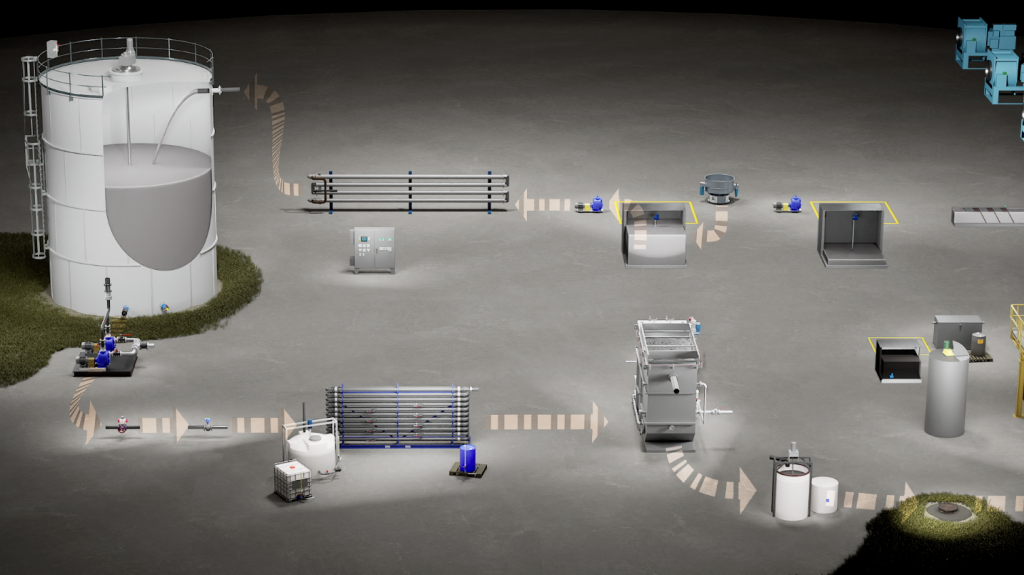
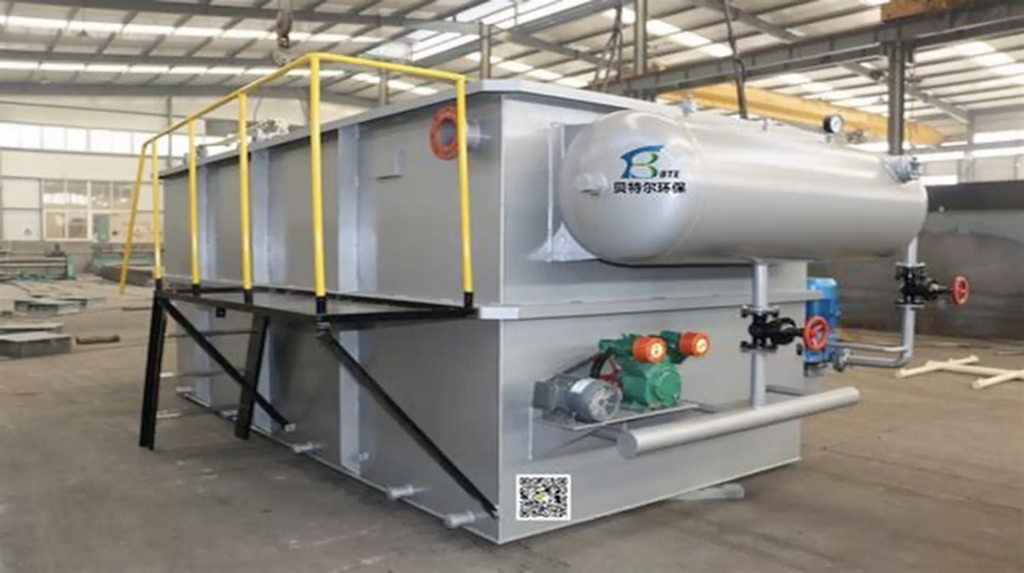
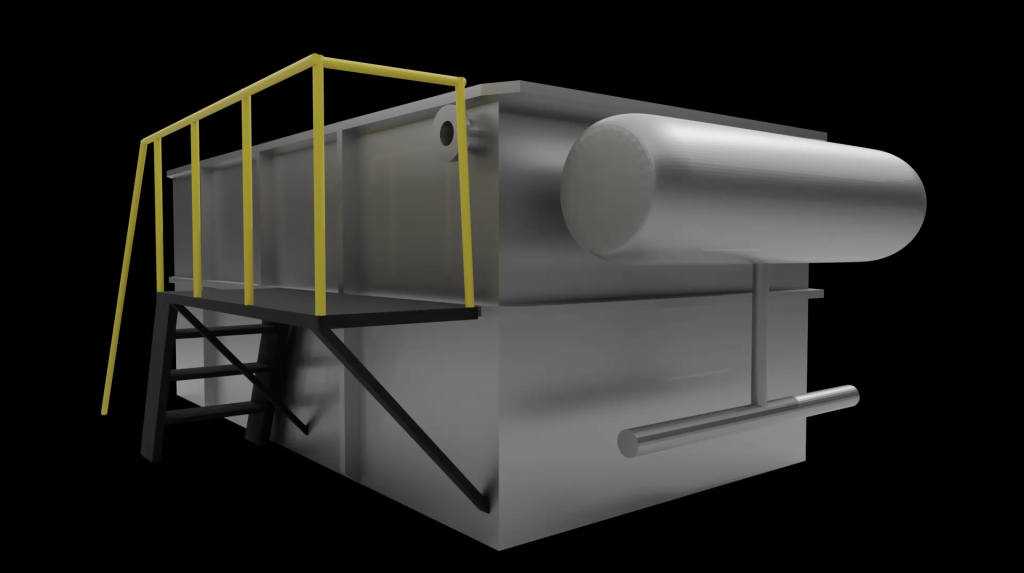
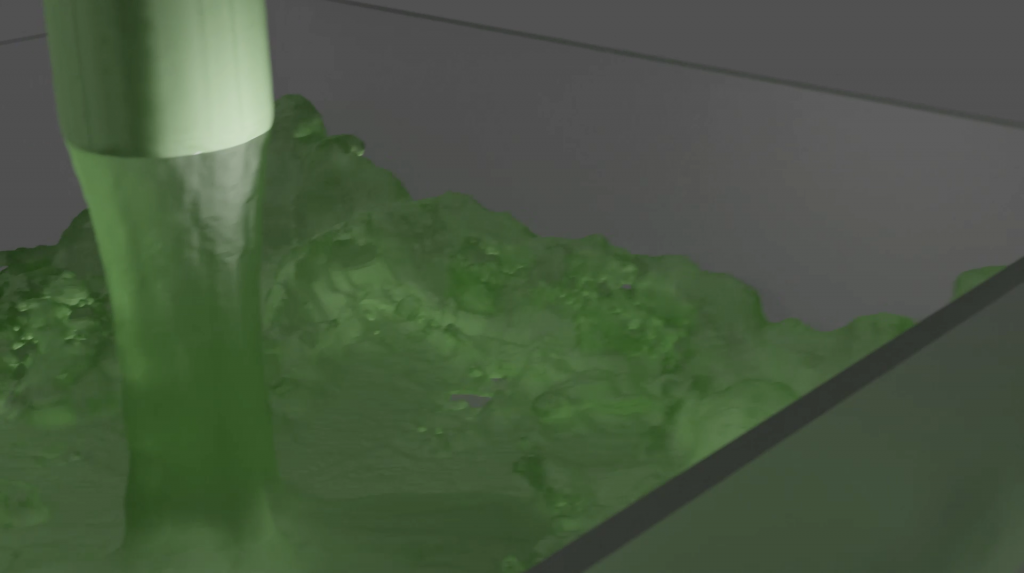
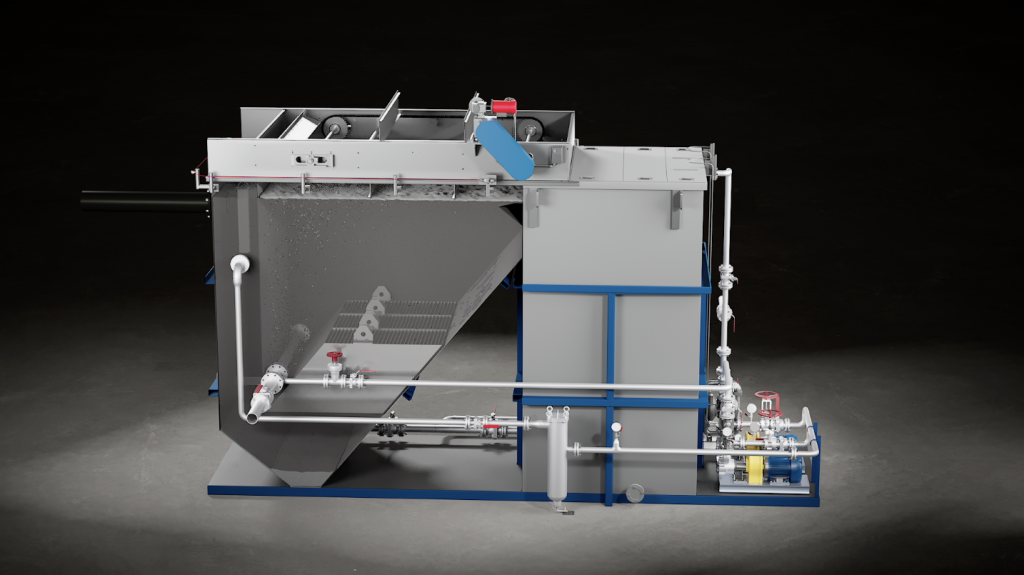
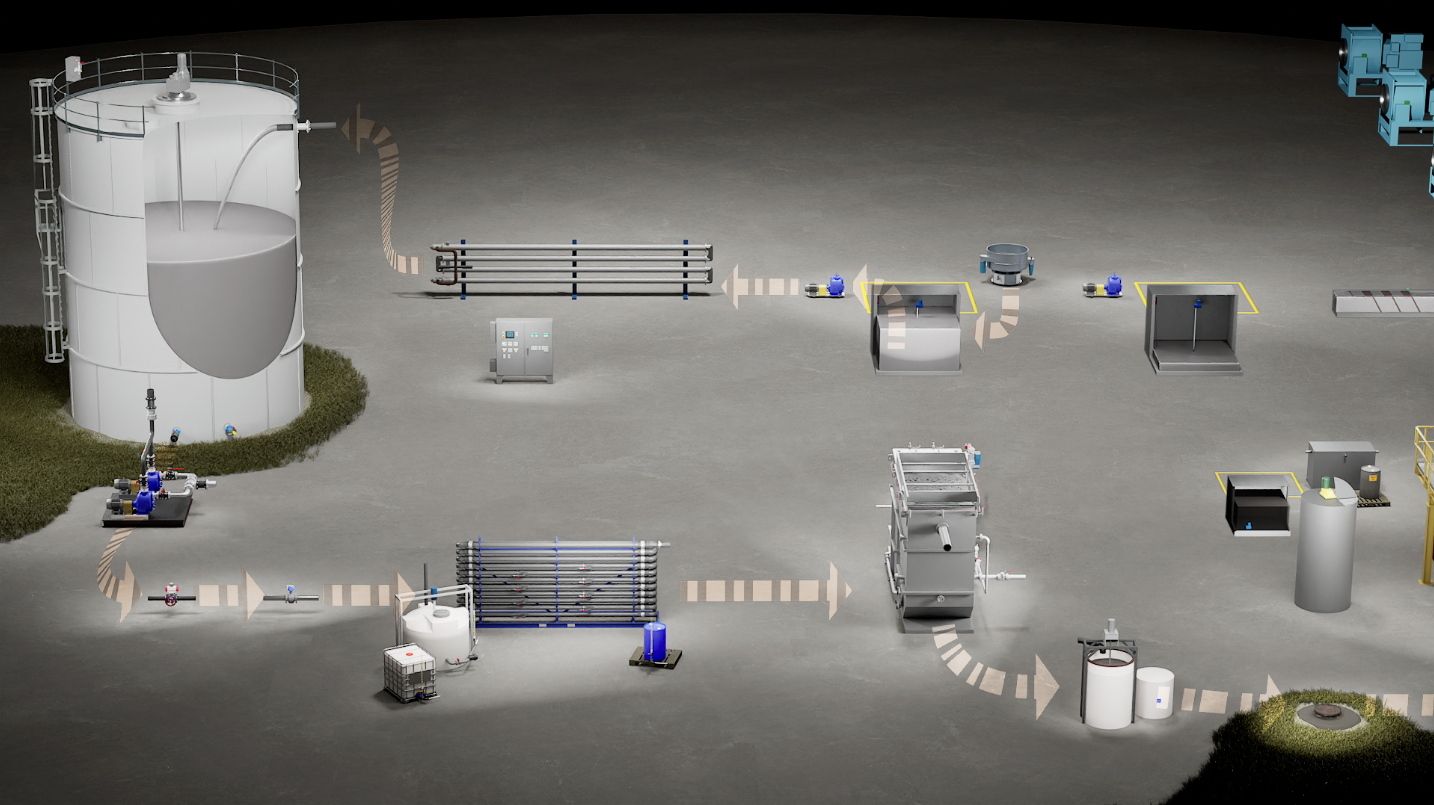
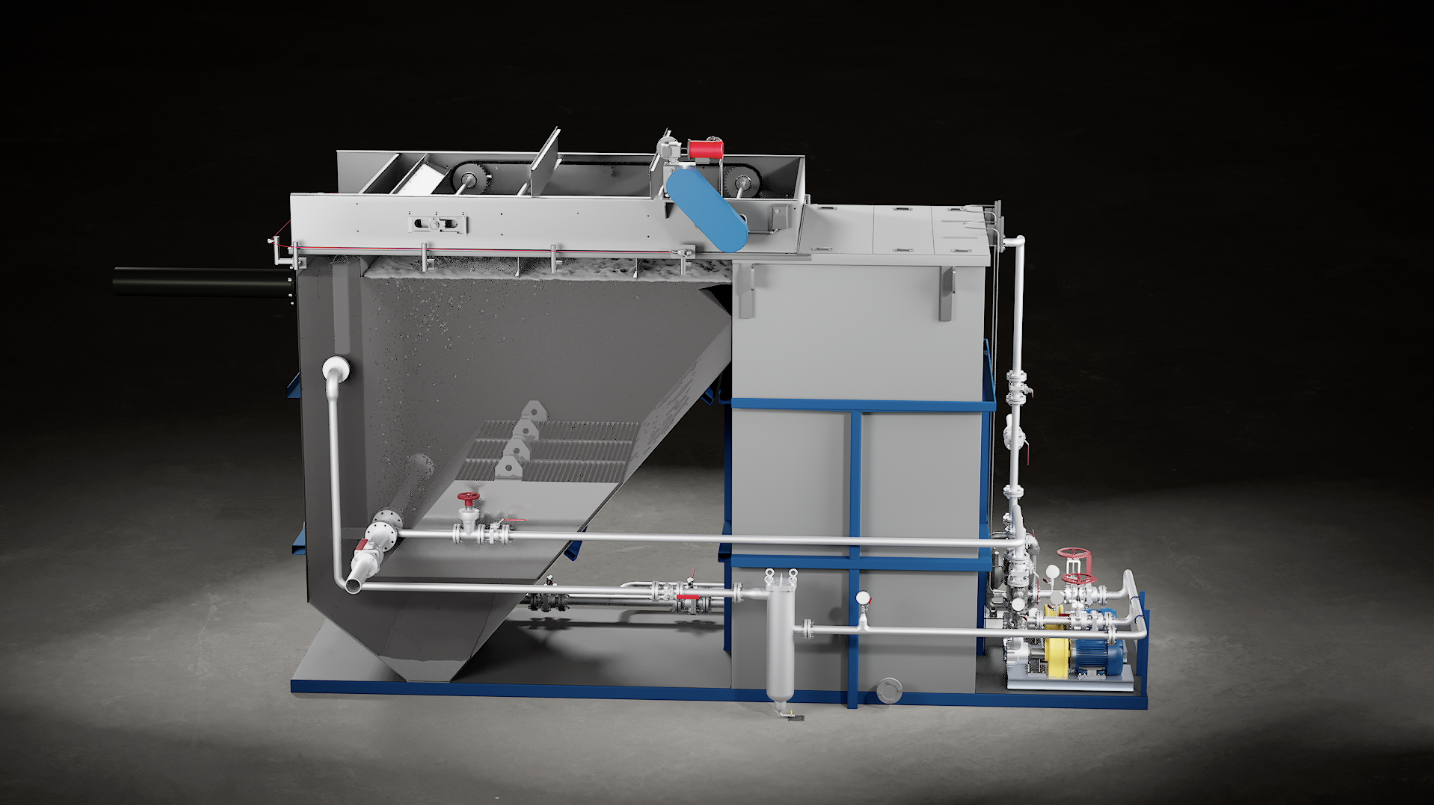
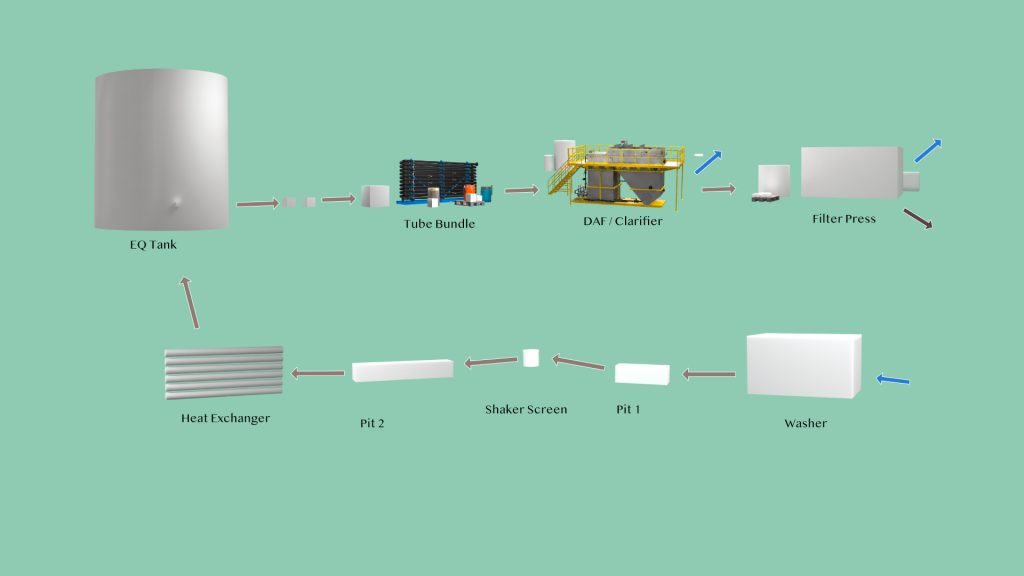
    Vestis needed a way to explain to their thousands of wastewater technicians what was happening inside the machines that they maintained.

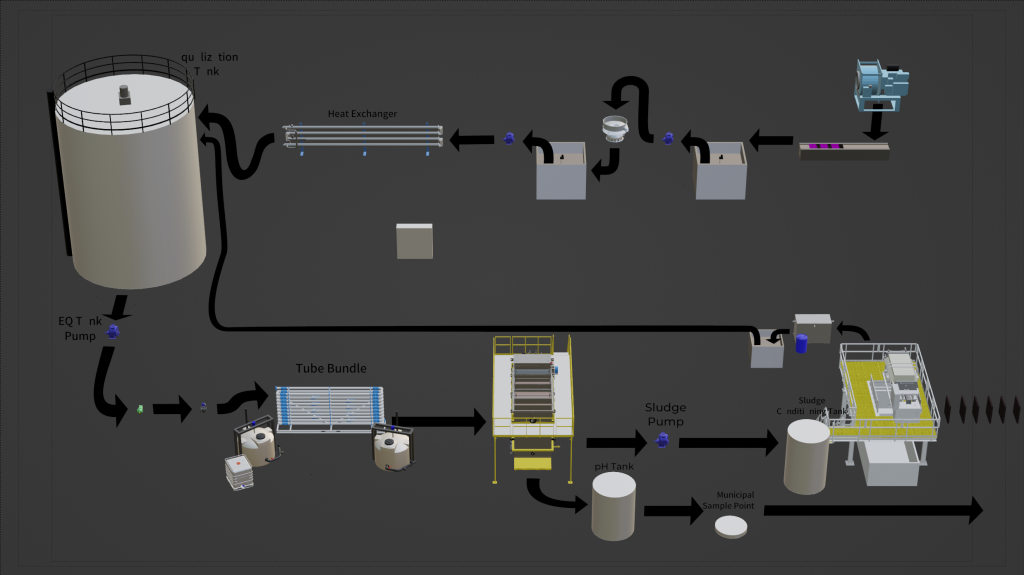
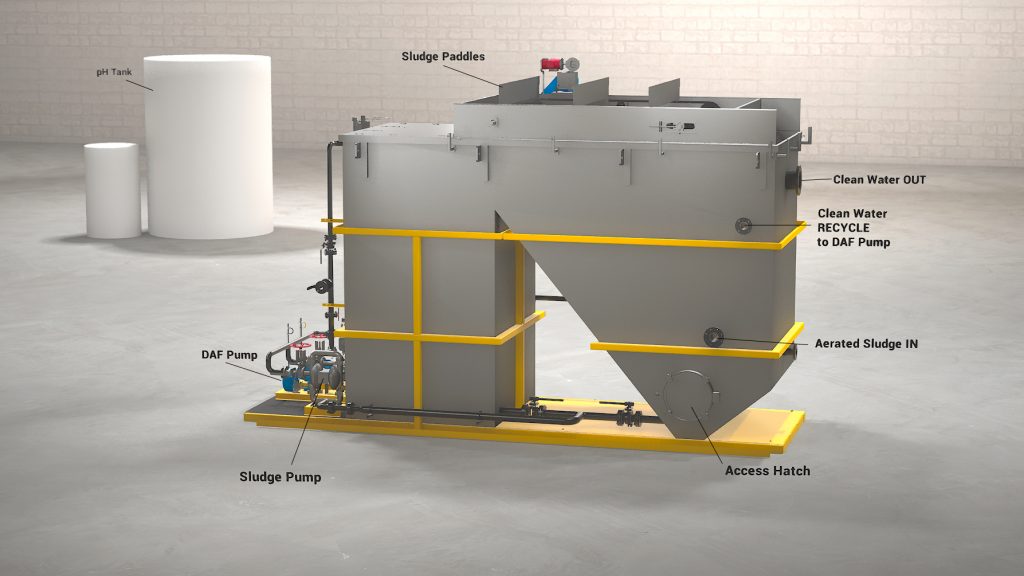
    They also needed to explain how the many disparate machines all fit together into a whole system to process wastewater.

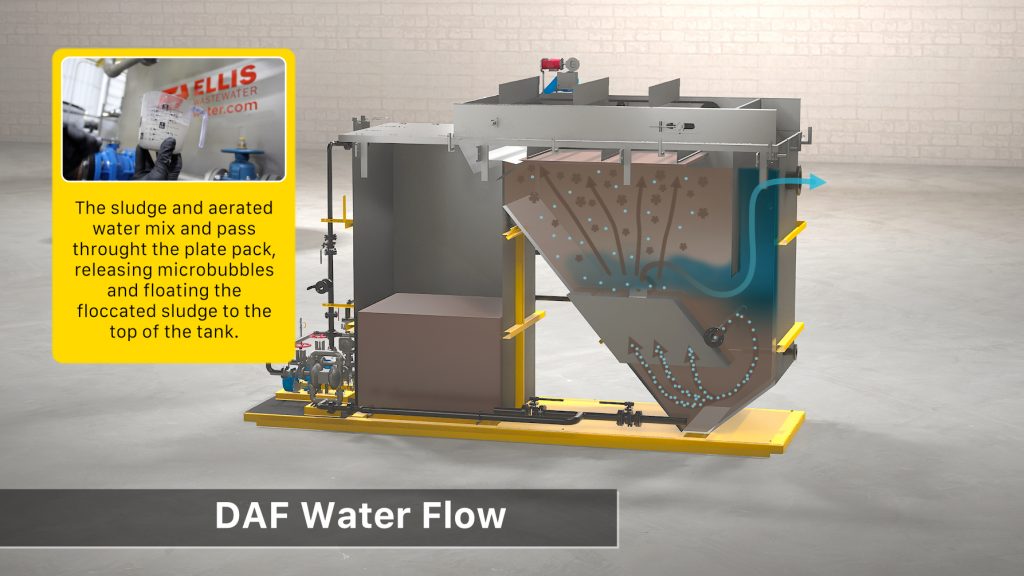
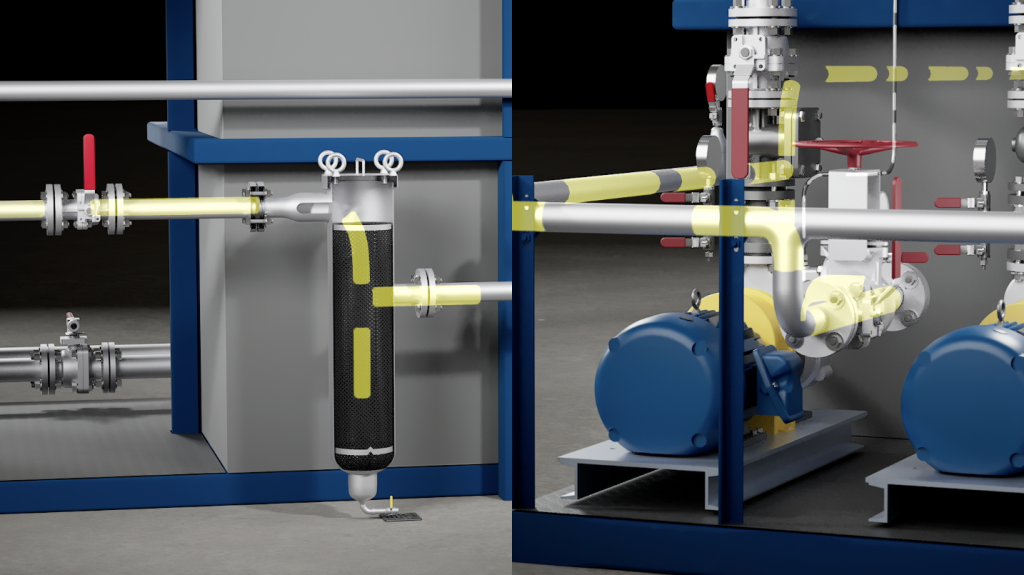
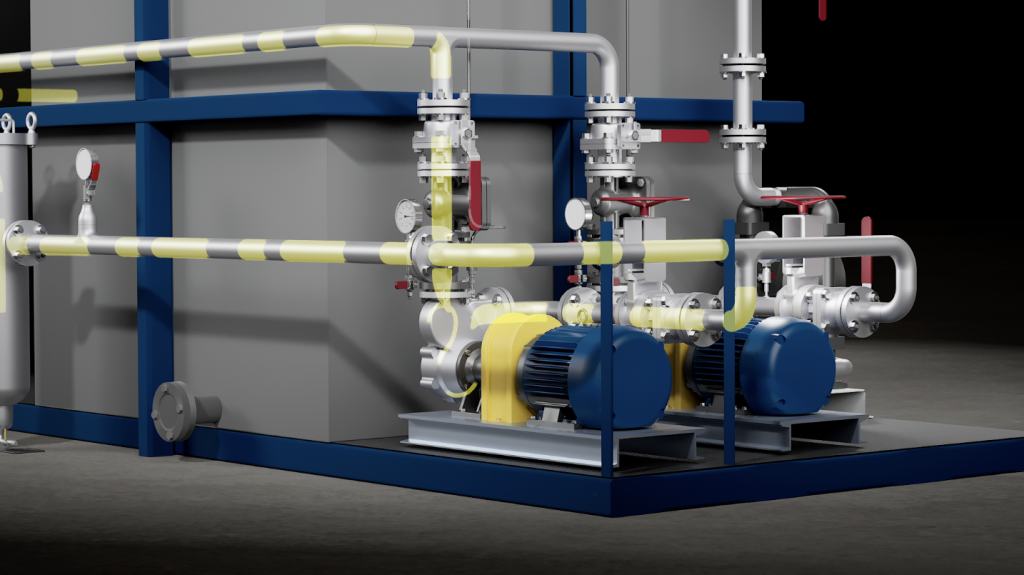
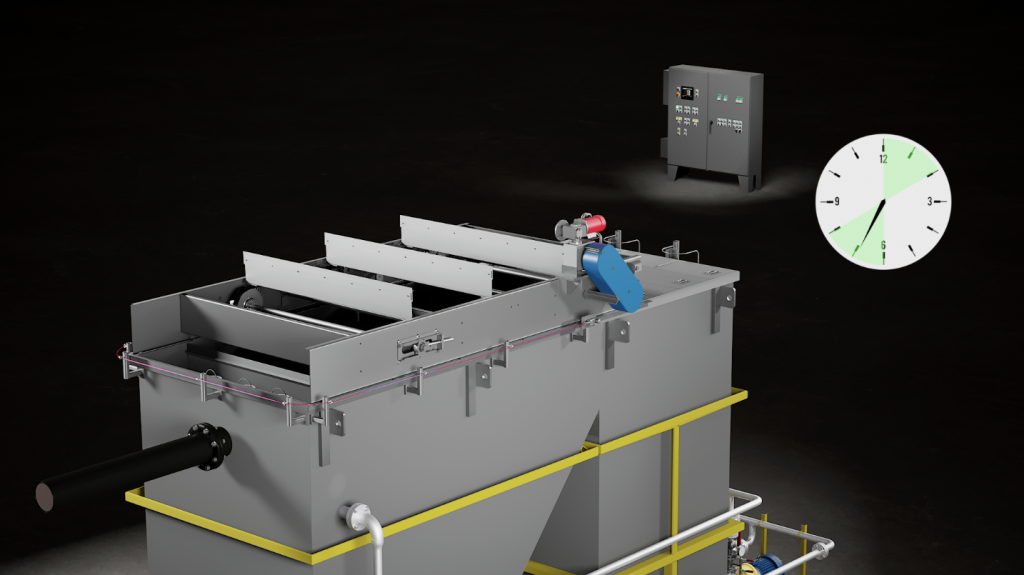
    With their existing training and process documentation as a starting point, we defined their wastewater treatment process in macro and micro detail – everything that happens from when the water exits the washing machines to when the cleaned water and sludge exit the plant.

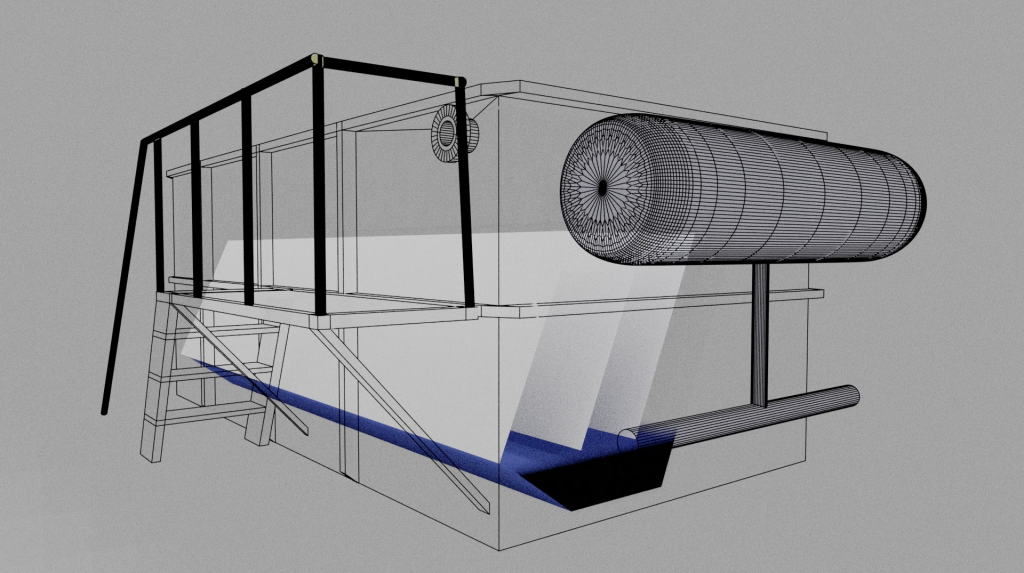
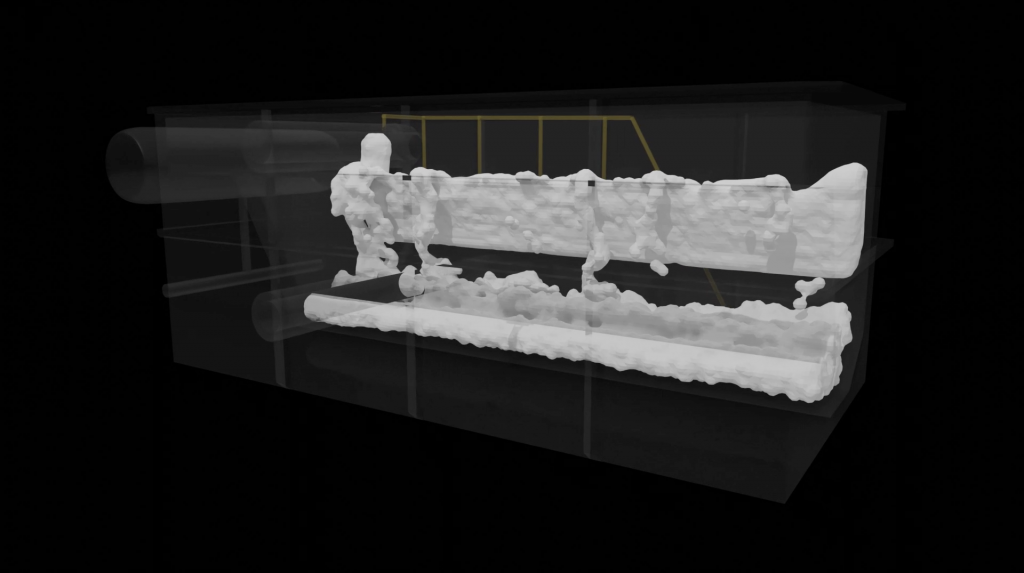
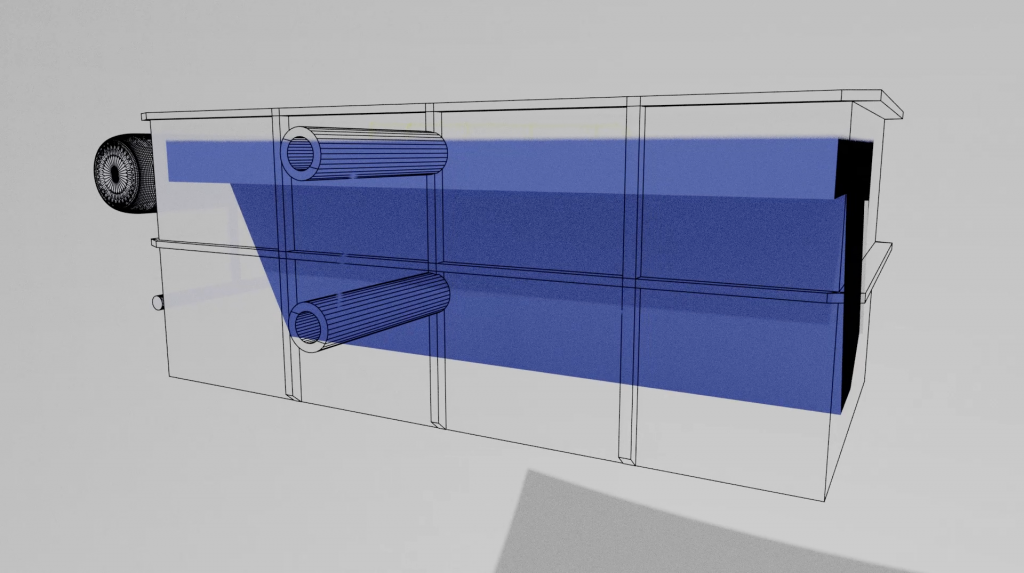
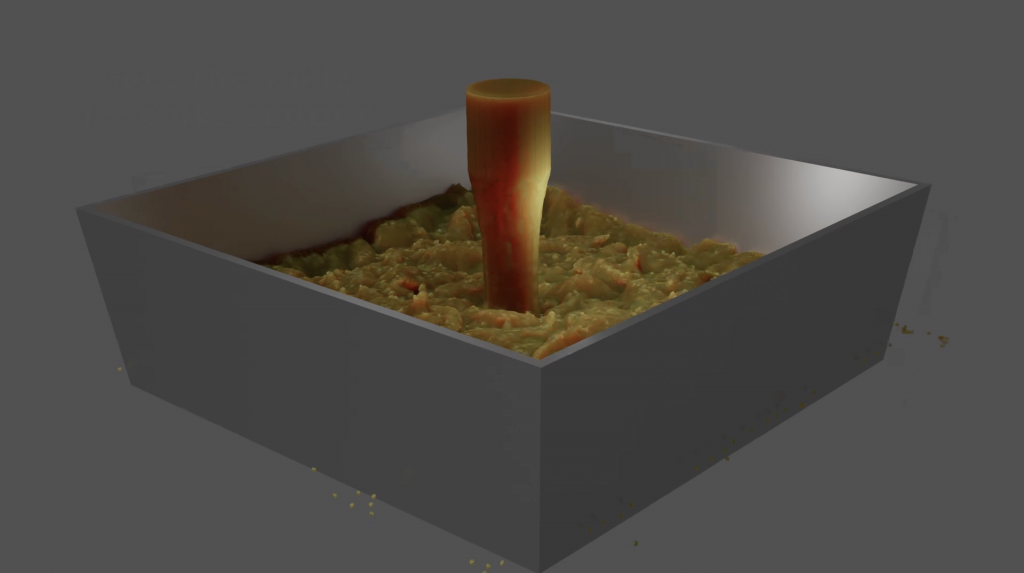
    Very early on it became clear that we would have to show what was going on INSIDE the equipment. We experimented with different visual styles, paying attention to where the line was between illustrative and realistic.

    The visual language is based on an idealized diorama with textures and materials based on the physical machines, water , and sludge.

    This provides a foundation for engaging illustrations, while allowing some leeway in terms of strict realism.

    We decided that animated illustrations mixed with video of working equipment would be the most effective way to tell their story. We then defined the process in detailed scripts for each module.


    The videos have been well received, resulting in a few genuine ‘a-ha’ moments in the field.

  • Arduino + 3D Printing:
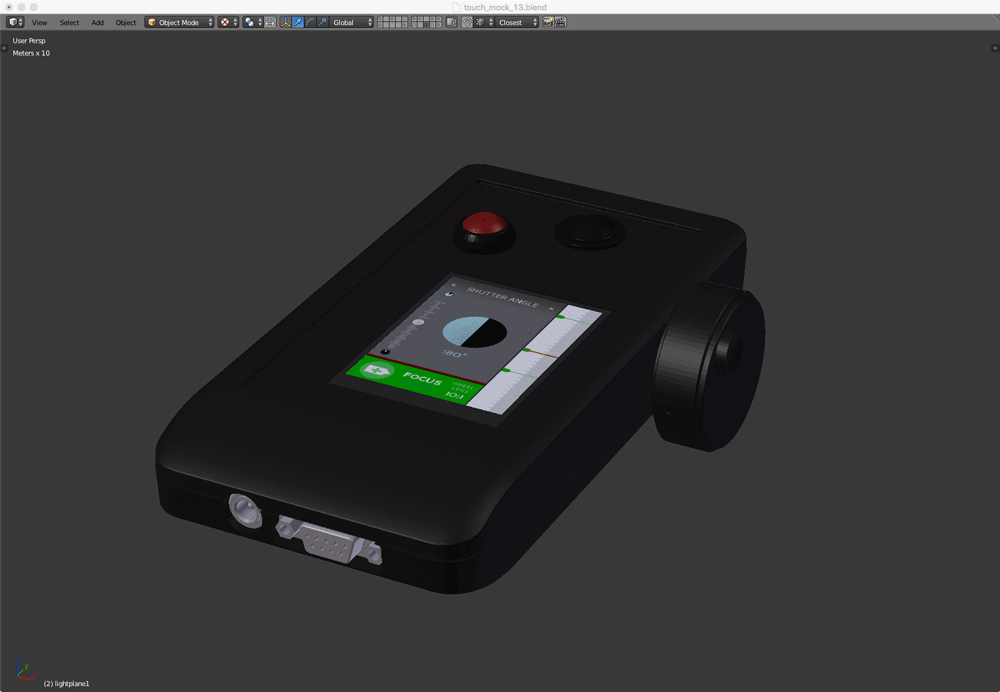
roboCAM MCP

    Arduino + 3D Printing: roboCAM MCP

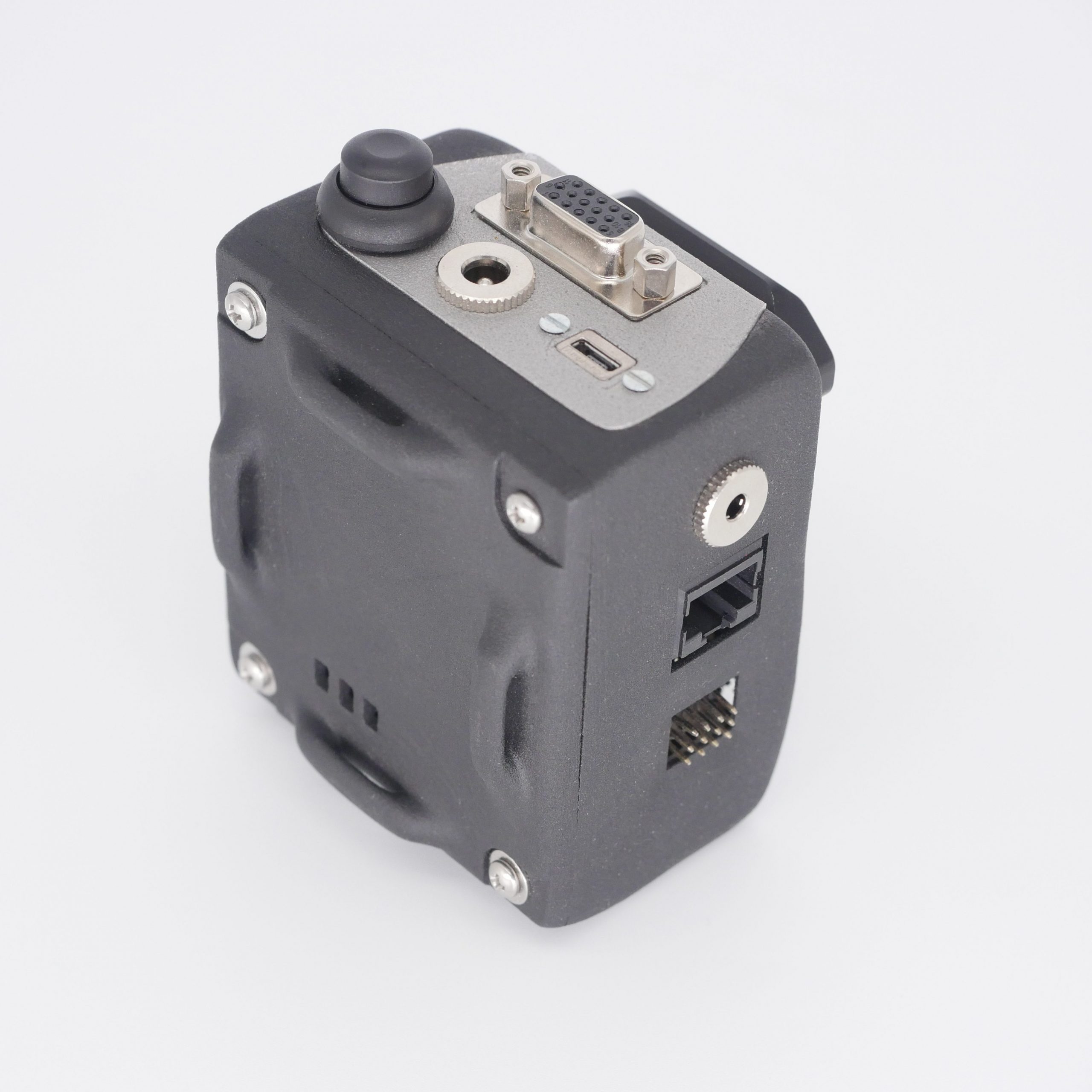
    The roboCAM Master Control Panel
 is a wired serial controller for 
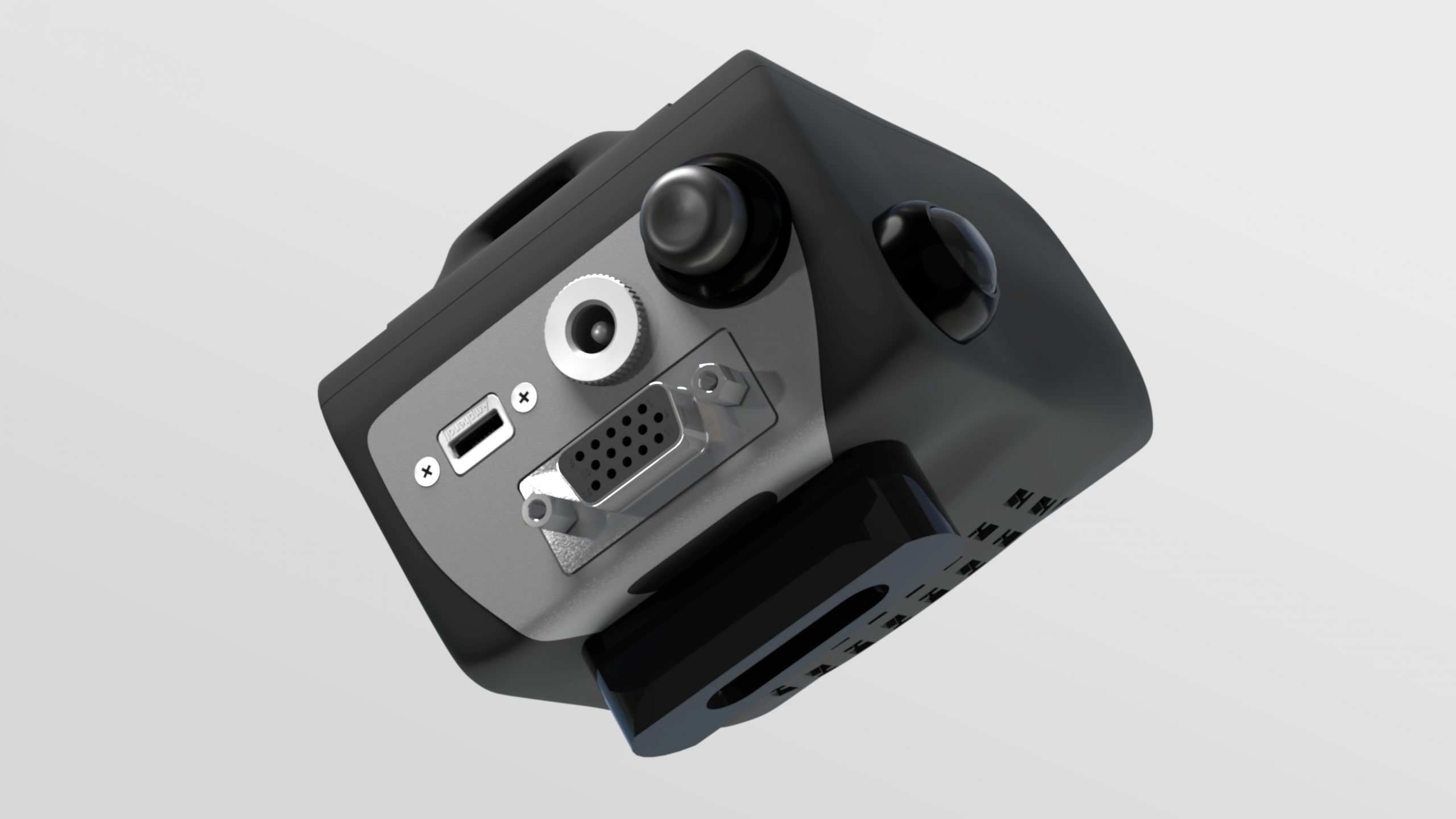
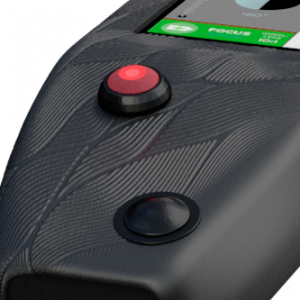
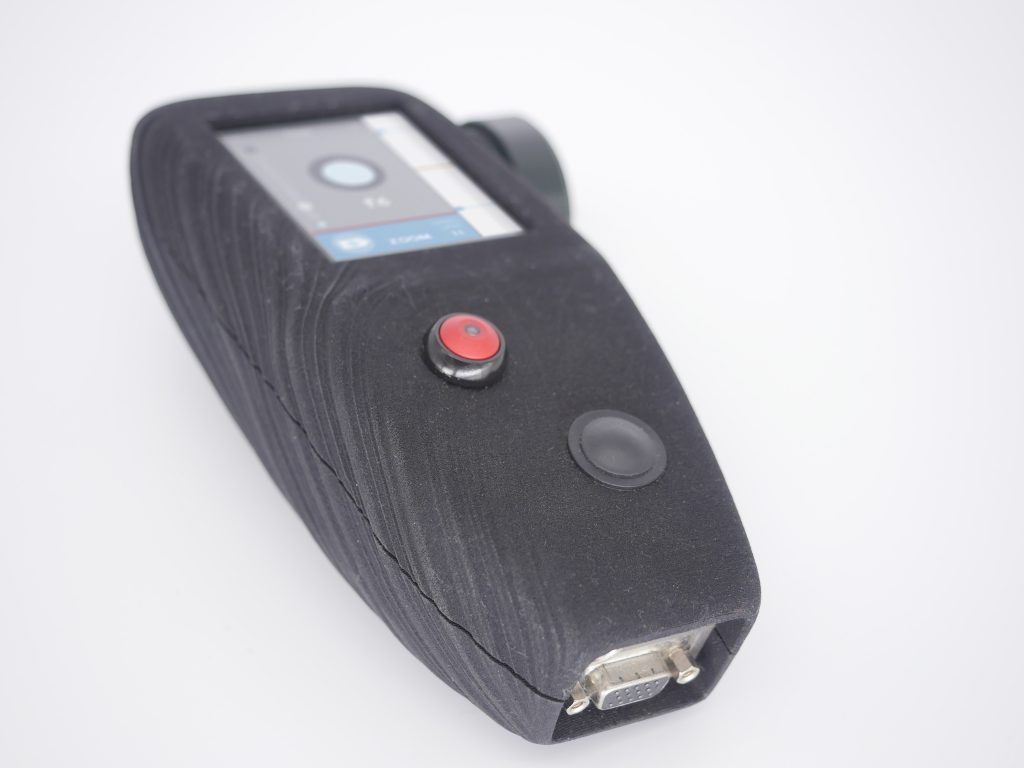
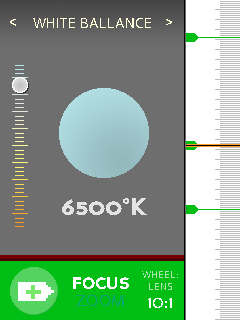
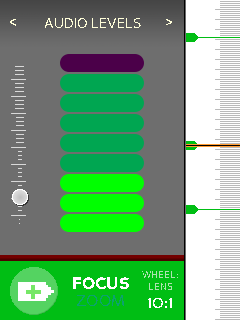
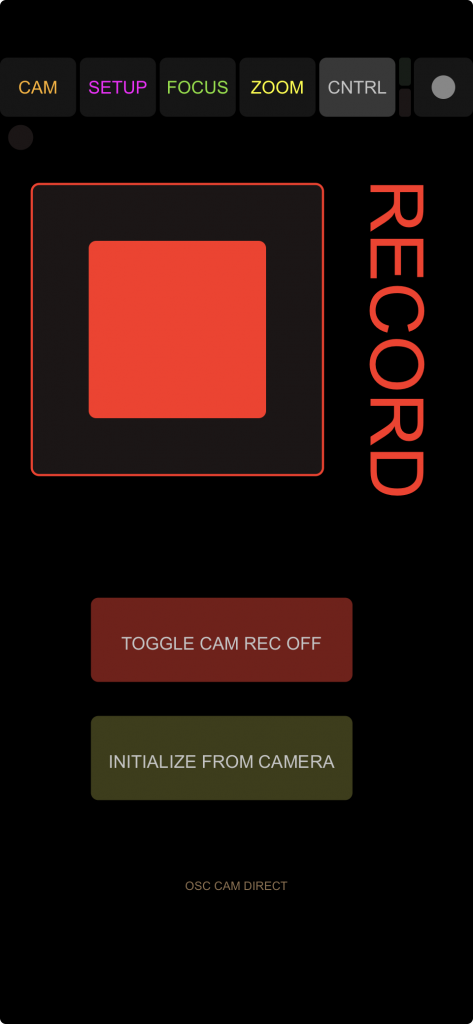
Blackmagic Cinema cameras. The MCP enables remote control of Focus-Iris-Zoom, as well as ISO, White Balance, Rec toggle, and nearly every other camera setting.

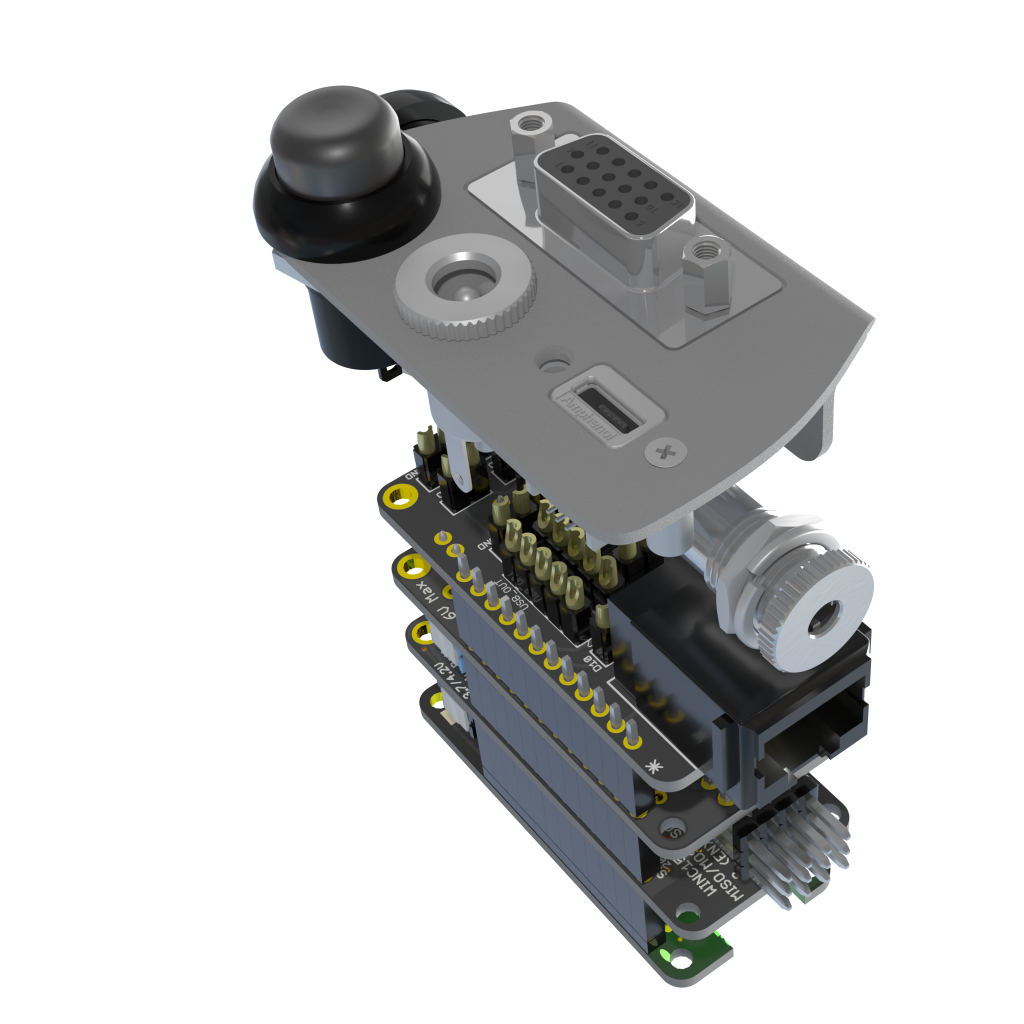
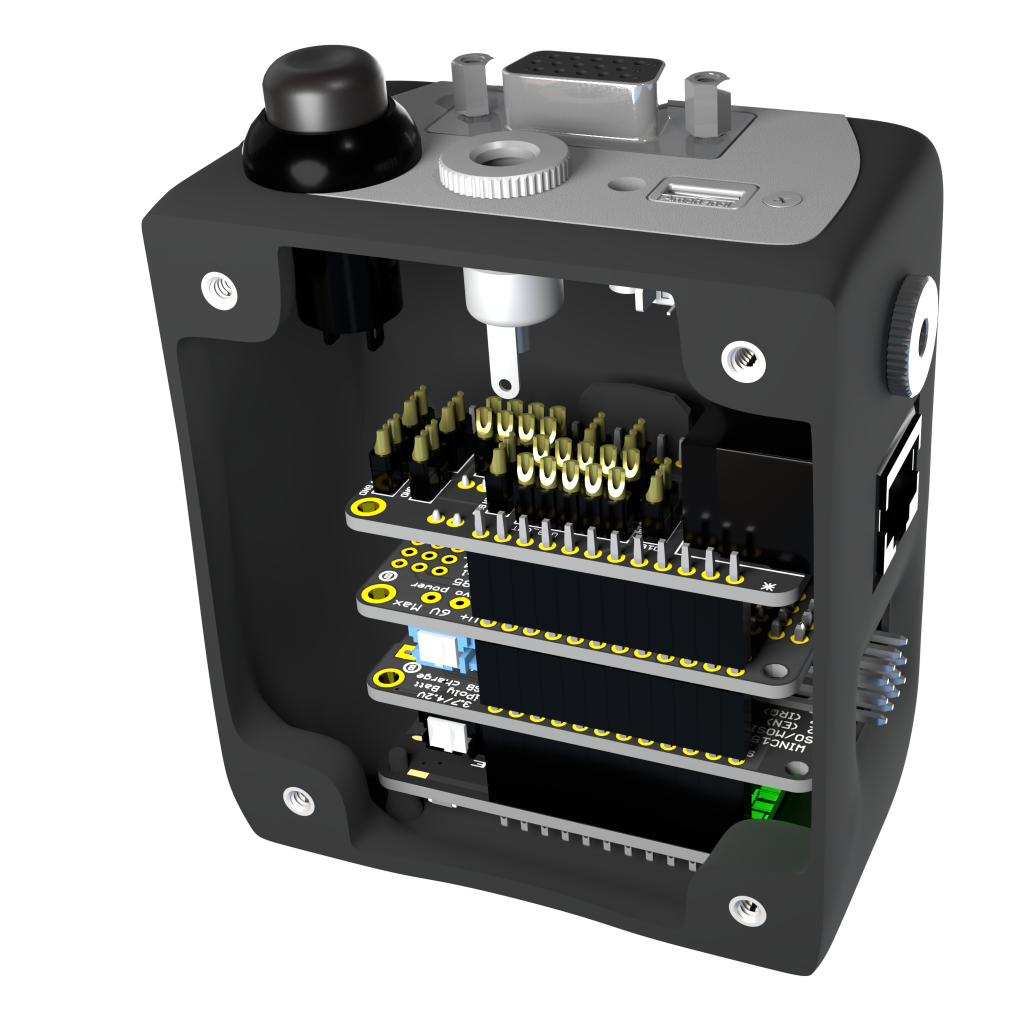
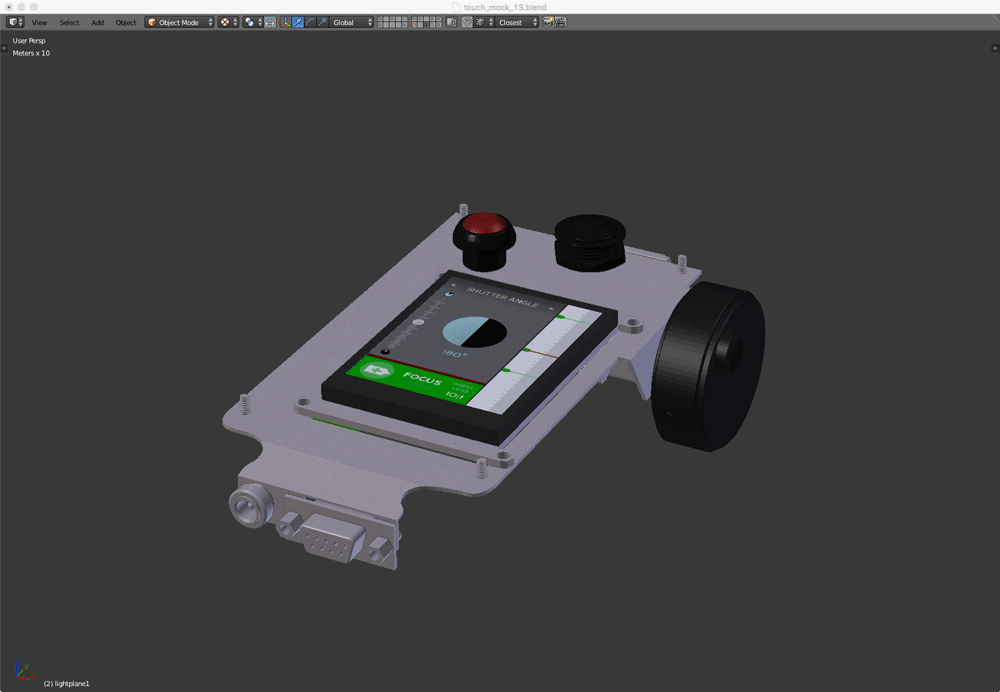
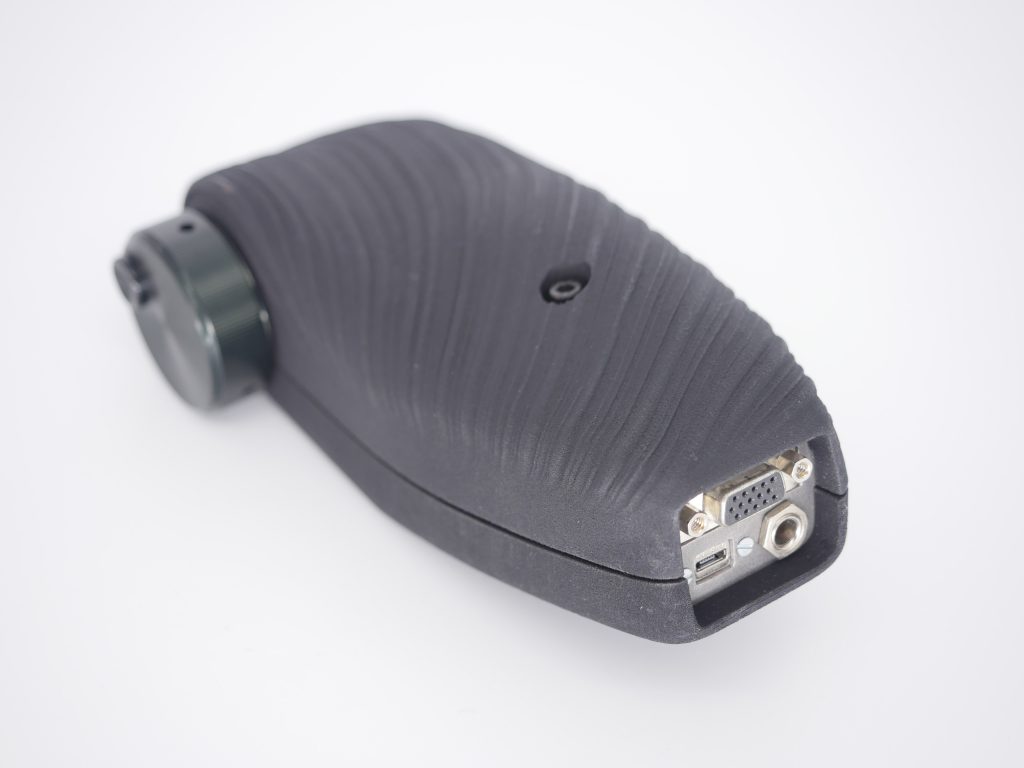
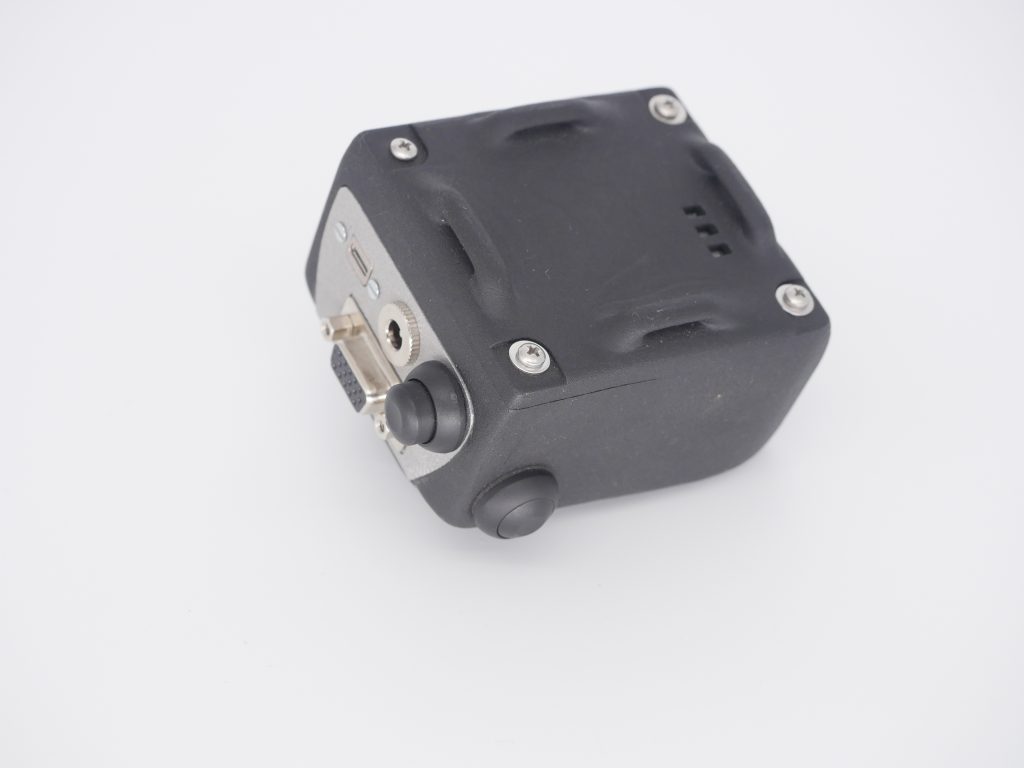
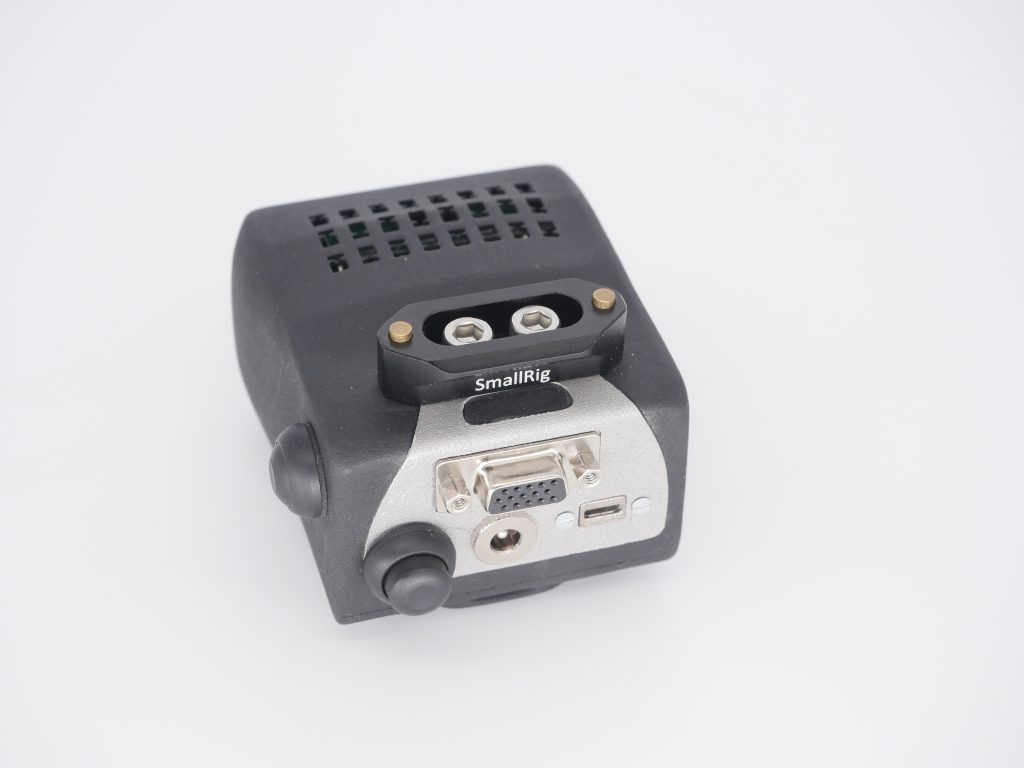
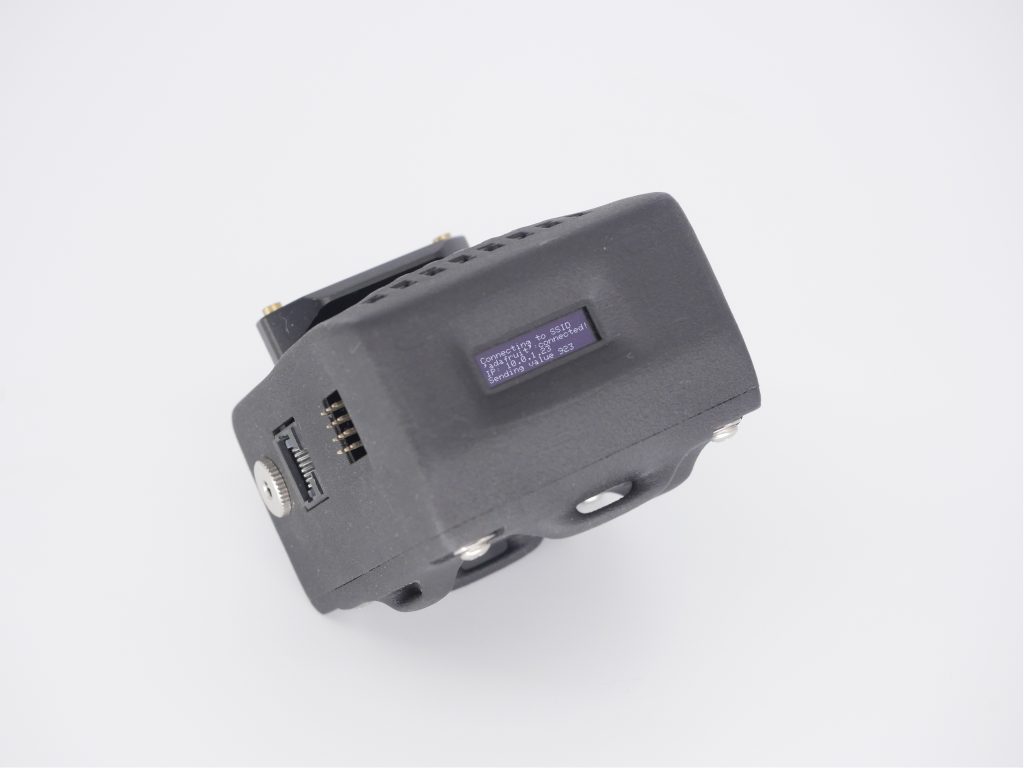
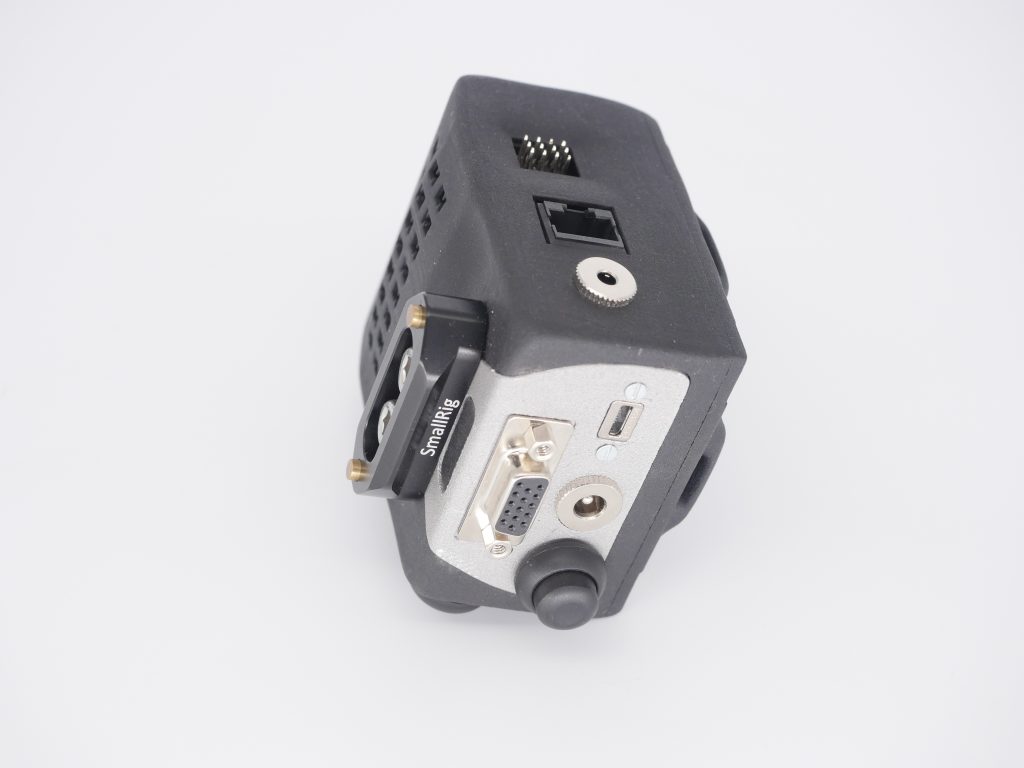
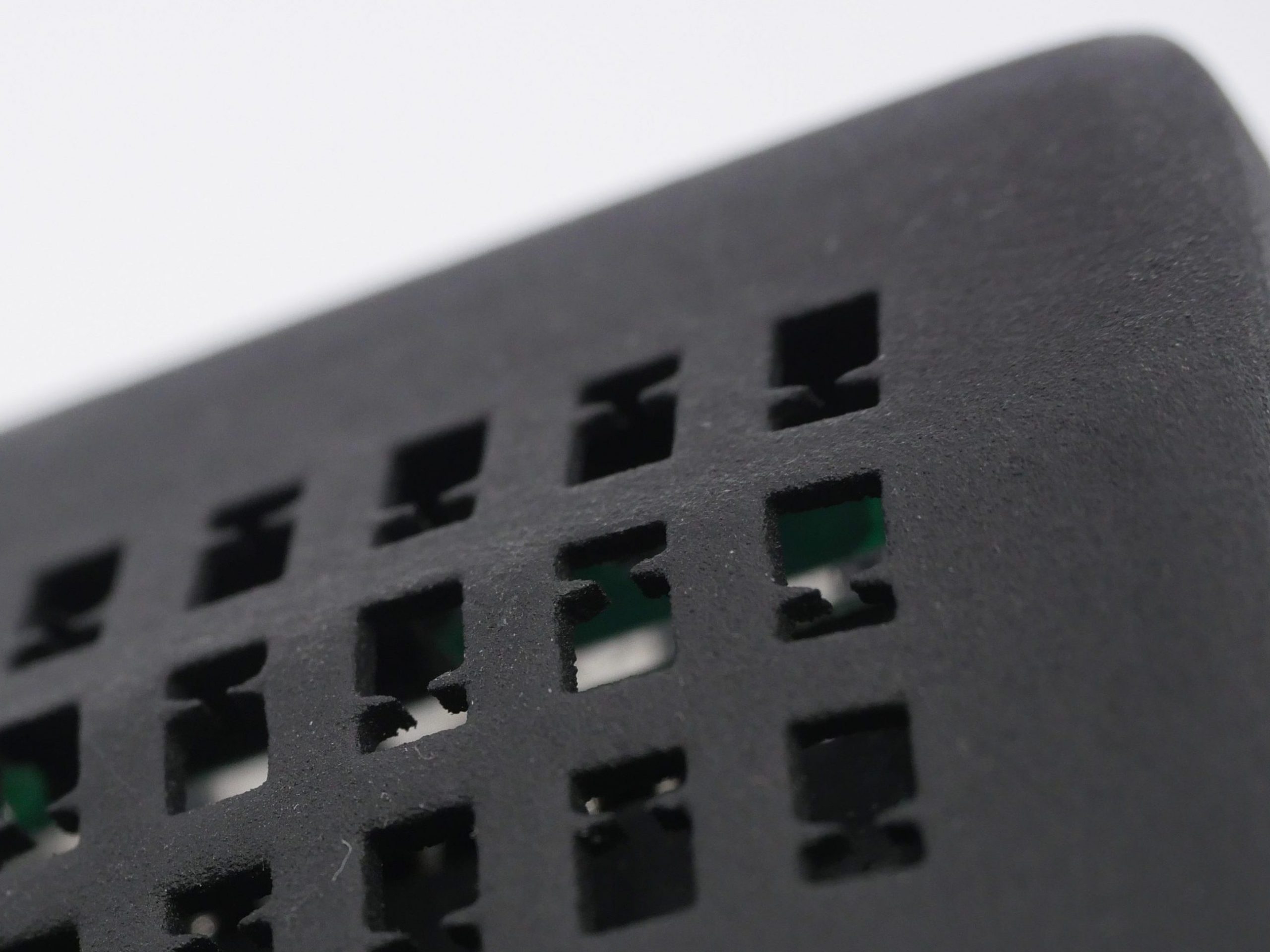
    The MCP is built on Arduino computers enclosed in a bespoke 3D printed aluminum and nylon case.

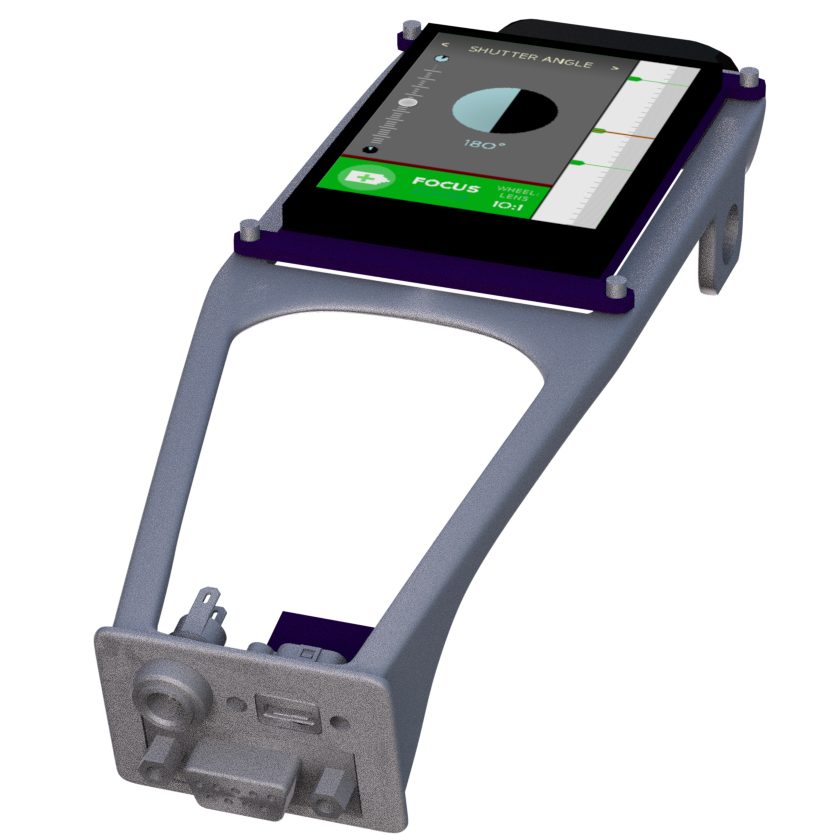
    To print the case, a virtual scale model of the MCP Arduino boards, physical I/O connectors and buttons were assembled in 3D.

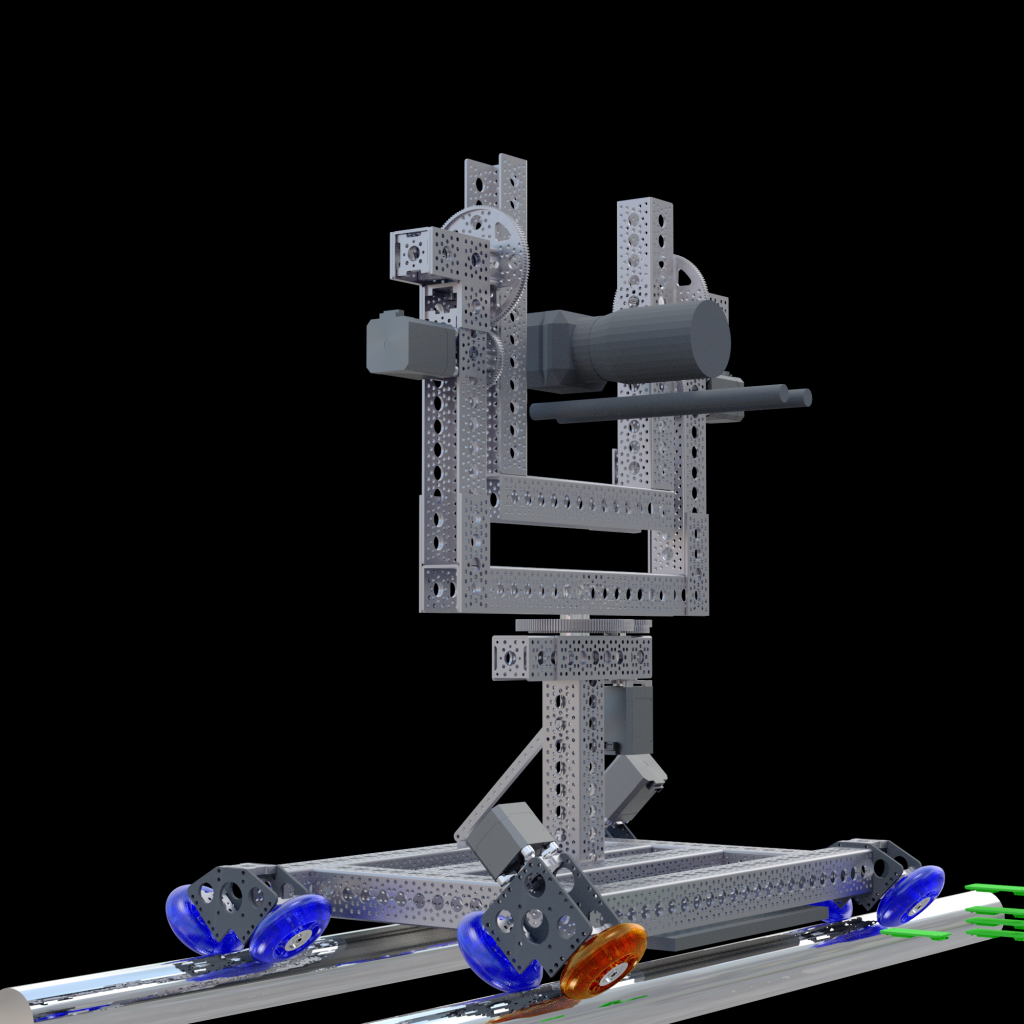
    As well as controlling Focus, Iris, Zoom and all settings of the camera, the MCP was developed to control servos in a robotic camera mount.

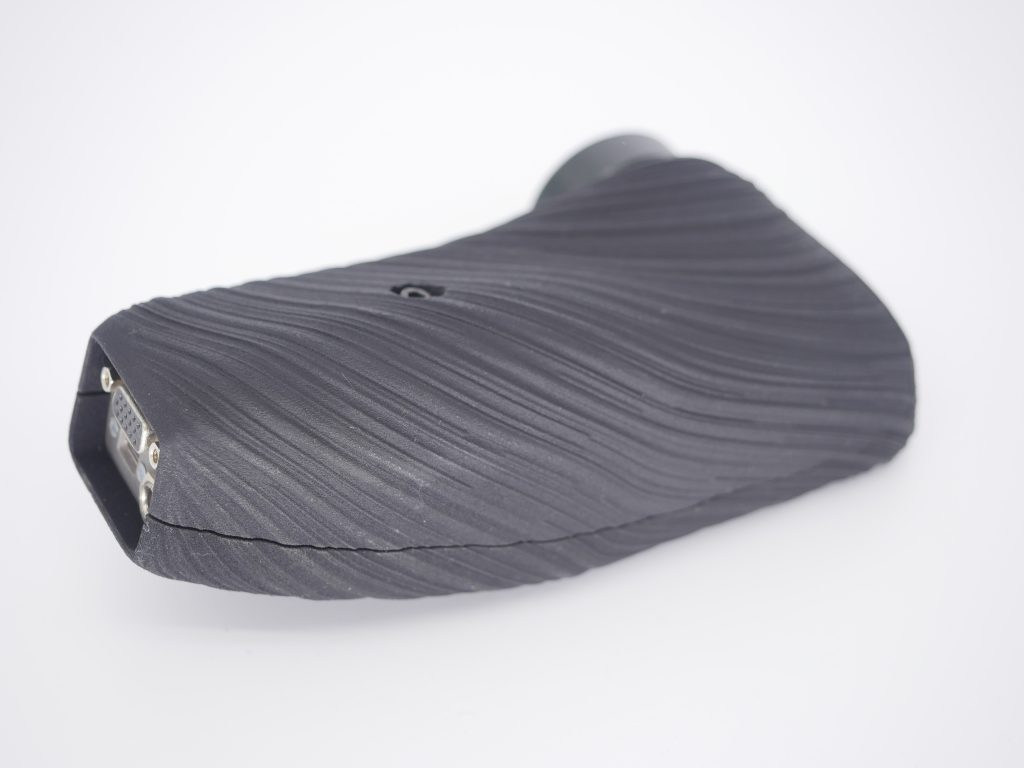
    v.1 replaced the expensive custom plastic and aluminum case with an expensive 3D-Printed nylon case and lithe aluminum frame. The design remained the same Arduino brains, touchscreen and buttons as v.0, but the case is more ergonomic (for right-handed people).

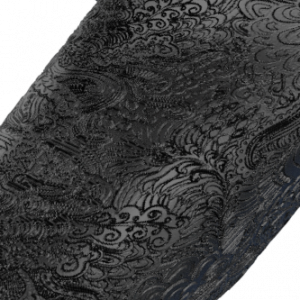
    Many emboss patterns were tested for the grip before the flowing swirl was chosen.

    The v.1 design has a very stable feel in the hand. The contoured swirl flows with the hand, and the oversize physical controls are accessible even through gloves.

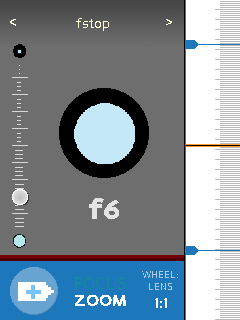
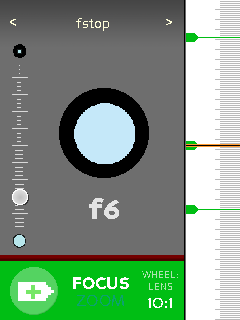
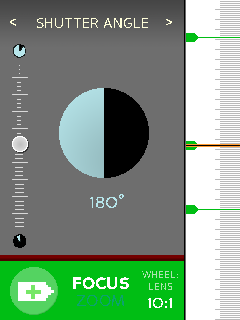
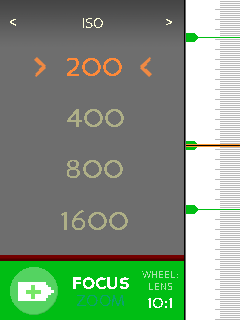
    The interface on the 2.8″ screen is drawn by the Arduino, created with a combination of static backgrounds with animated sprites overlaid.

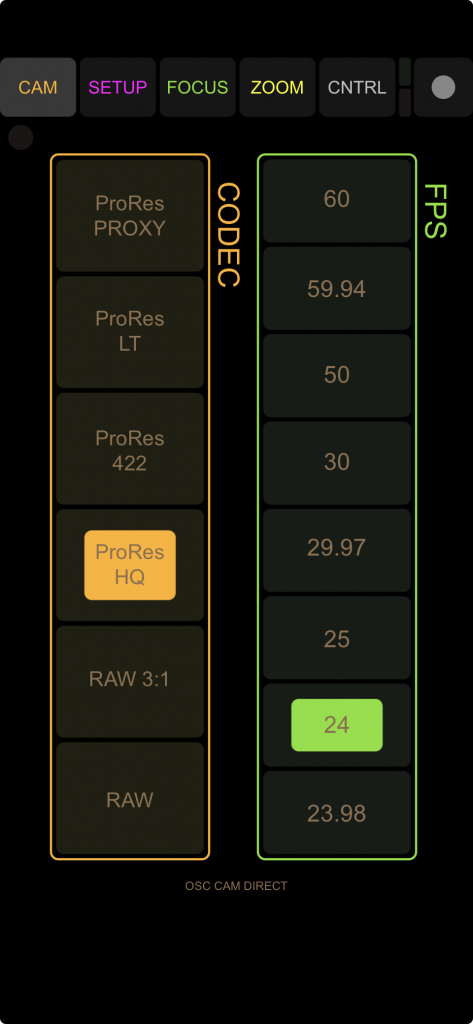
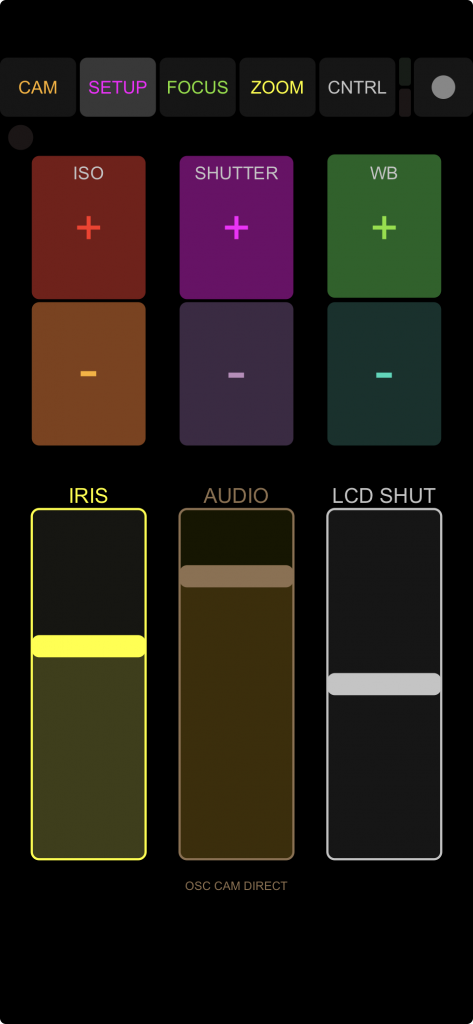
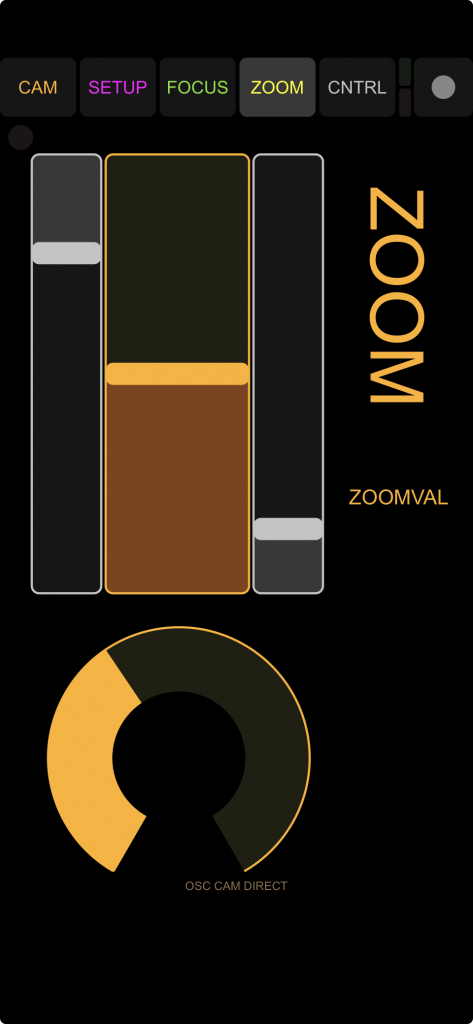
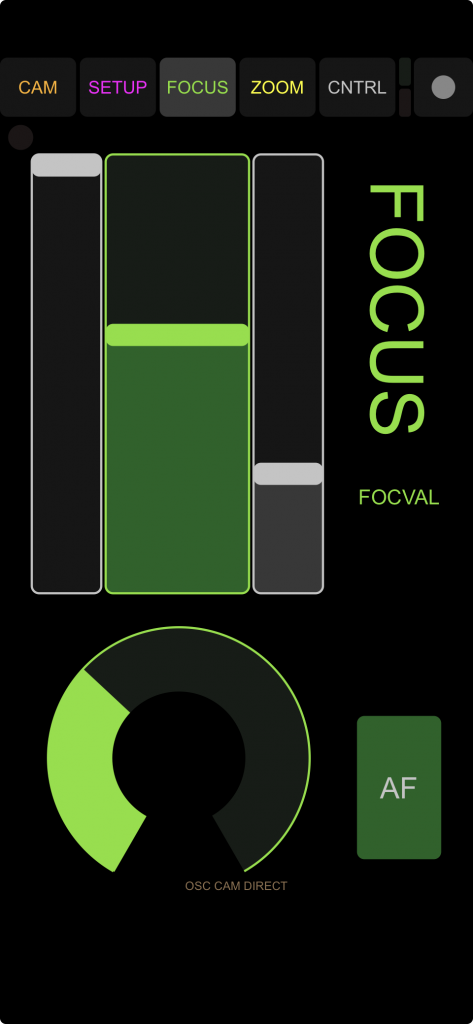
    Version 2 stayed wired to communicate with the camera, but moved the UI to a WiFi connected phone over the OSC protocol. OSC allows both faster UI iteration and the ability to animate camera settings with an OSC sequencer.

    The printed aluminum and nylon construction was kept, but the smaller Arduino Feather boards and lack of touchscreen greatly reduced the materials costs.

    The camBOT Master Control Panel is a small form-factor addition to my camera kit that allows me to put a camera anywhere, and still have full control of all settings from a phone or tablet.

  • Virtual Film Production:
Workflow Tests

    Virtual Film Production: Workflow Tests

    Big LED walls!

    Final VFX In Camera!

    Real Time Compositing!

    Film at any location!

    Save on travel!

    Save CO2!

    Save the world!

    You’ve heard the VP hype.

    The reality is that Virtual Production is still Production. You may spend less days filming on location, but you still need to create those locations both virtually and practically. You still need skilled crew, talent, creatives, crafty, and lots of money.

    In 2021/22 I spent some time with the Chicago Virtual Production Group exploring how LED walls and camera tracking might impact the local filmmaking community.

    We did extensive pre-production, and filmed a few tests at various stages around Chicago. What I found is that full 3D CG environments are great, but they seem to be a solution in search of a problem.

    LED walls paired with camera tracking are fantastic technology. They are an evolution of rear projection –  the original real-time compositing.

    VP is a vastly more expensive and convincing rear projection, and has a similar use case – it is not, as the hype makers might profess, a replacement for the entire filmmaking process.

    The Tests & Pre-Viz:

    Virtual Production Real Time Environement

    Unreal Real Time Environment

    Real-Time Compositing Test

    In-Camera LED Wall + Talent Composite
    Composite

    Driving Sequence Pre-Viz

    Previz
    Techviz

    Package Handoff Pre-Viz

    Previz
    Techviz
  • CG Visualization

    CG Visualization

    Communicating ideas visually.

    This current collection of projects represent architecture, video, VR, virtual film production, and product design.

    • Technical Animation:
Wastewater Training

      Technical Animation: Wastewater Training

      Vestis needed a way to explain to their thousands of wastewater technicians what was happening inside the machines that they maintained. They also needed to explain how the many disparate machines all fit together into a whole system to process wastewater. With their existing training and process documentation as a starting point, we defined their…

    • Arduino + 3D Printing:
roboCAM MCP

      Arduino + 3D Printing: roboCAM MCP

      The roboCAM Master Control Panel
 is a wired serial controller for 
Blackmagic Cinema cameras. The MCP enables remote control of Focus-Iris-Zoom, as well as ISO, White Balance, Rec toggle, and nearly every other camera setting. The MCP is built on Arduino computers enclosed in a bespoke 3D printed aluminum and nylon case. To print the…

    • Virtual Film Production:
Workflow Tests

      Virtual Film Production: Workflow Tests

      Big LED walls! Final VFX In Camera! Real Time Compositing! Film at any location! Save on travel! Save CO2! Save the world! You’ve heard the VP hype. The reality is that Virtual Production is still Production. You may spend less days filming on location, but you still need to create those locations both virtually and…

    • Architectural VR:
The Orkas Residence

      Architectural VR: The Orkas Residence

      Off the coast of Washington state on the island of Orcas, just a few miles from the Canadian border, the Orcas House by architect Susanna Douglas has commanding views above the trees that optimize the light on the North face of the island. To get a sense of the views from the house before the…

  • Short Films

    Short Films

    In my spare time I write, direct and produce short films.

    • obit

      obit

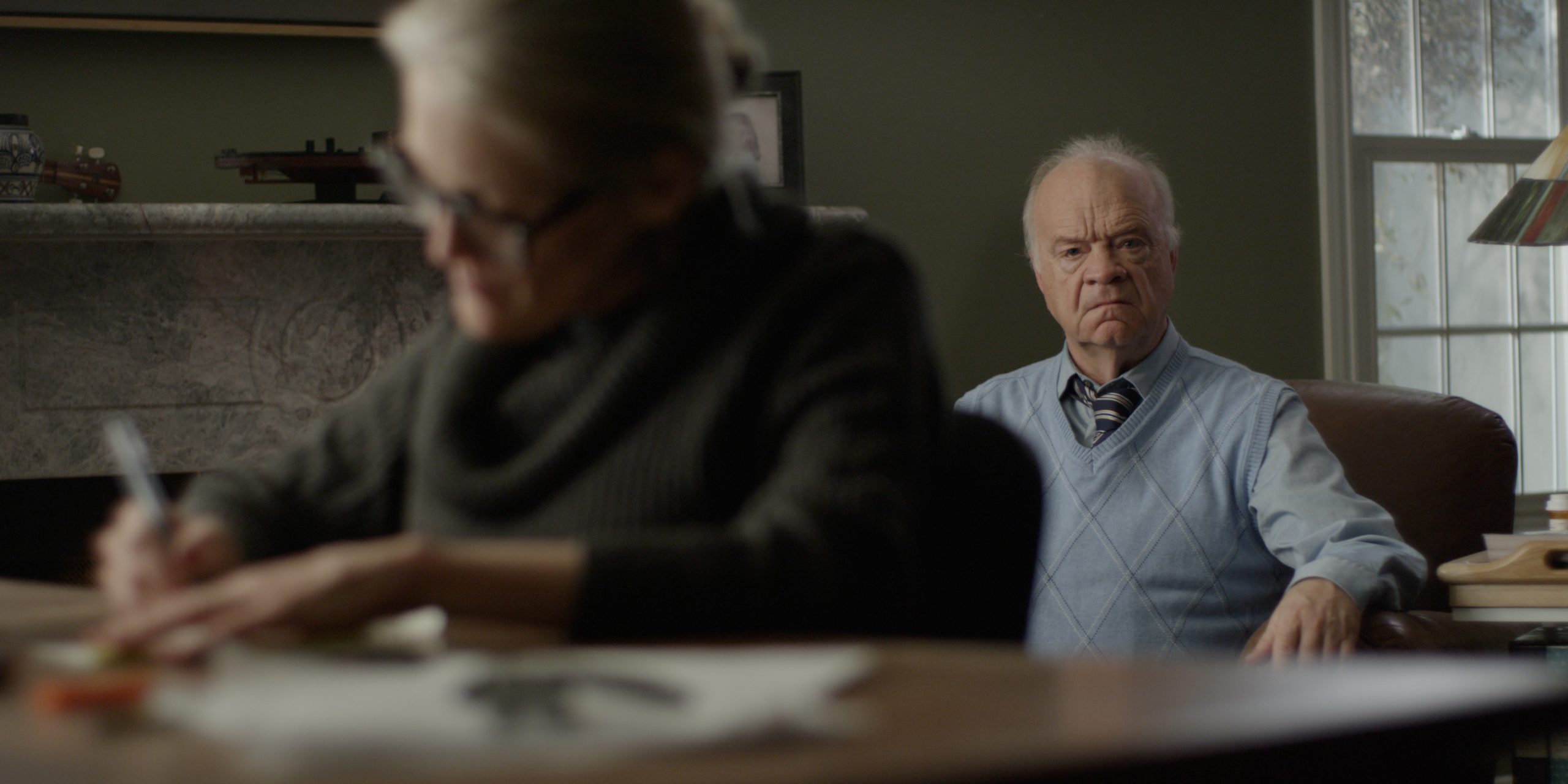
      As Liz writes an obituary, Henry is overwhelmed by memories and escapes from our world into his. Written by Geetha Reddy.

    • the beginning

      the beginning

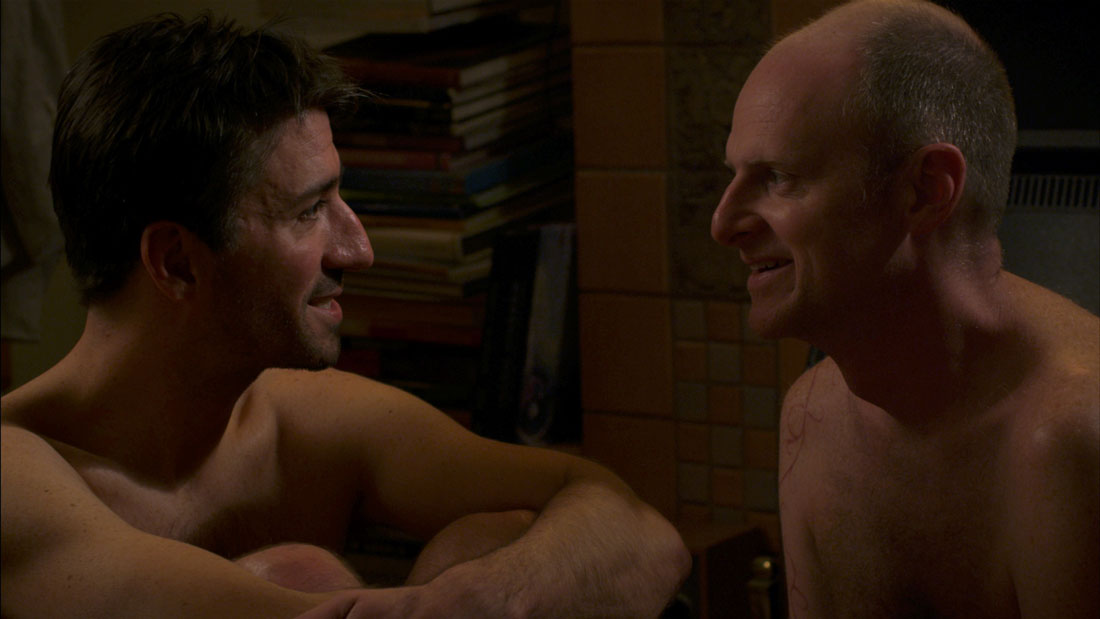
      On a cold dark night two naked strangers struggle to connect. What is the question? And, what is their answer? Written by Tom Swift, ‘The Beginning’ was commissioned by and premiered as part of the first ever PlayGround Film Festival.

    • the lamp

      the lamp

      When a man finds an old oil lamp, the genie inside offers him the standard deal, with an extra-ordinary outcome.

    • up

      up

      If she could just remember that step, maybe her flying dream wasn’t just a dream, after all.

    • the machine

      the machine

      Man vs. machine – answering machine.

    • 2:47 am Bloomington, IN

      2:47 am Bloomington, IN

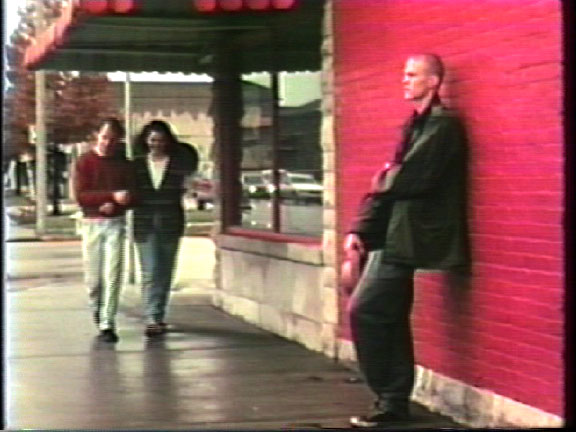
      A quest for breakfast in the wee hours of the morning, in Bloomington, IN.

    • Pieces of Mary

      Pieces of Mary

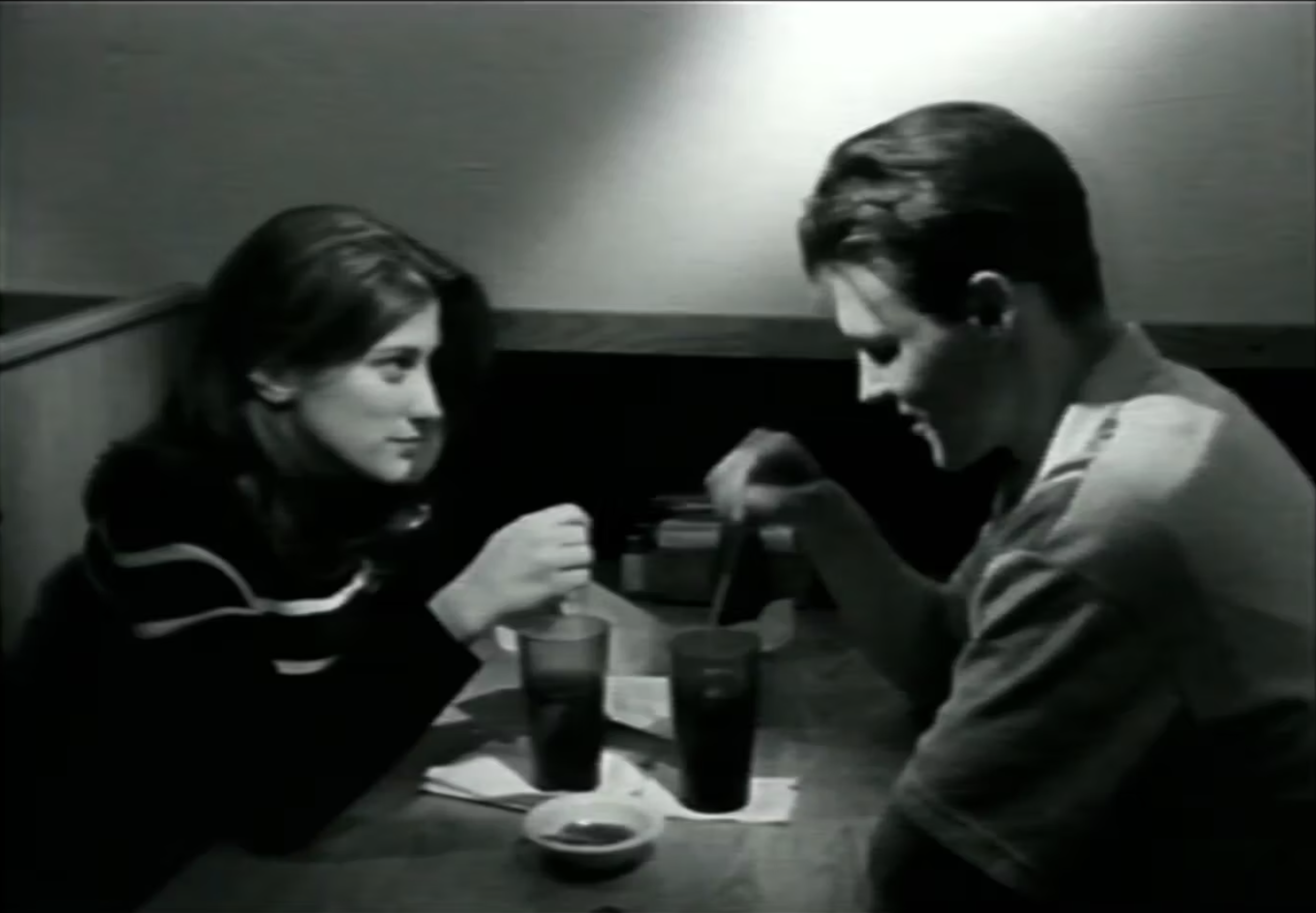
      My first attempt at a feature length film. Filmed on 16mm black and white. It is kind of terrible, and (un?)fortunately this incomplete version is all that was on the SVHS master.

    • for your viewing pleasure

      for your viewing pleasure

      One of my first forays into filmmaking. Filmed on 16mm. This was a class group project for one of the few filmmaking classes at Indiana University

    • the sun

      the sun

      A man gets lost in his TV.

  • AR Funhouse

    AR Funhouse

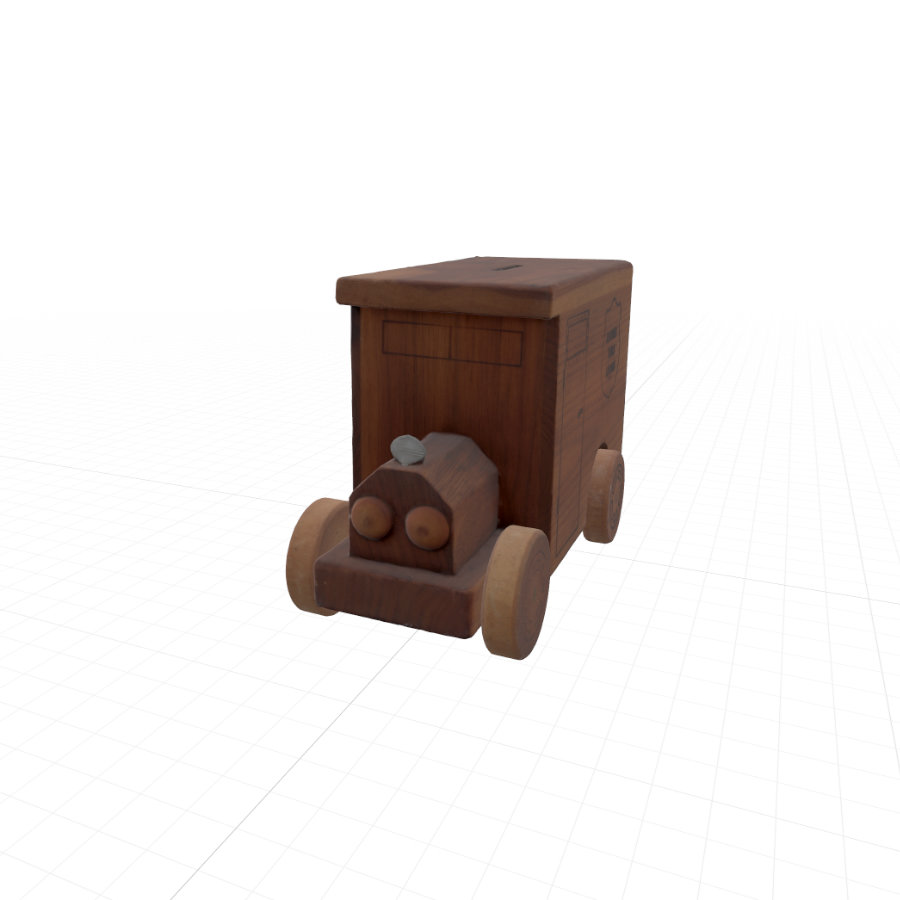
    Random photogrammetry models of physical objects to view in AR.

    View them on any device that will display .usdz files, which is built in to most iPhones and iPads.

    This symbol will appear on the object when it is available to view in AR,

    Tap image to view models in AR.

    Wooden Coin bank

    Vase by Joe McGovern

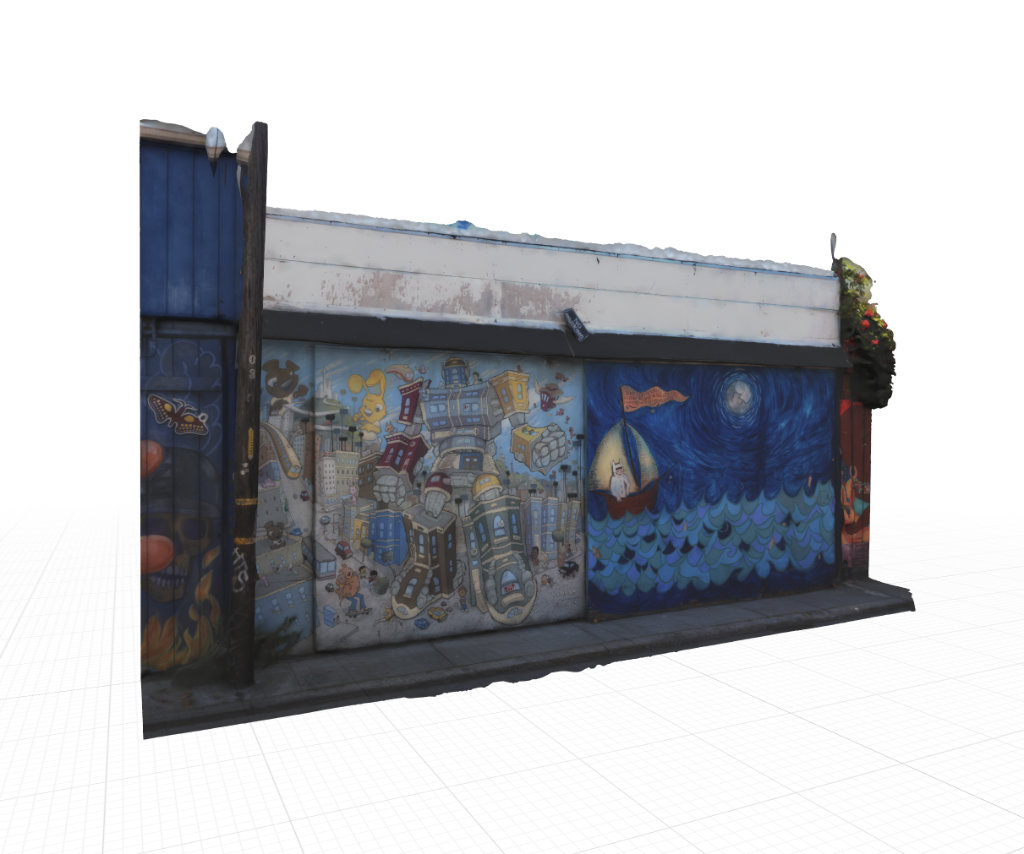
    These two panels from Balmy Alley are a test of large-scale models using normal maps for detail on a low poly-count model. This original model was a modest 400,000, but the lo-poly is 40,000.

    This is just one garage with two murals in an alley filled with murals (in a neighborhood filled with murals). 

    Find out more about the alley and it’s artwork:

    Brian Tolle claims no rights to any artwork captured in this photomodel.

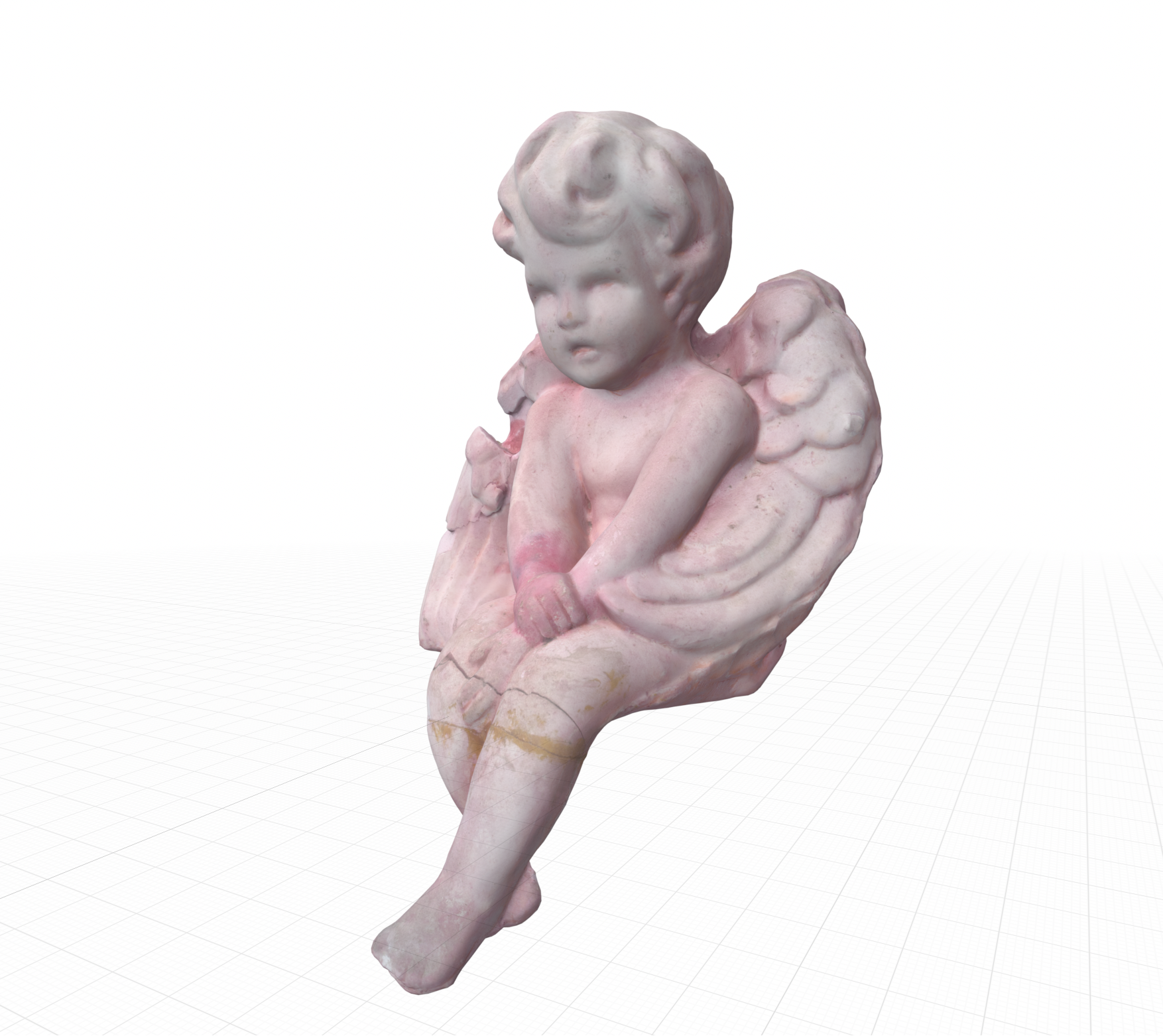
    Photogrammetry model of a cast plaster cherub that was found sitting on a street light in the early 90’s. The plaster is pink, and has faded un-evenly over the years.

  • Architectural VR:
The Orkas Residence

    Architectural VR: The Orkas Residence

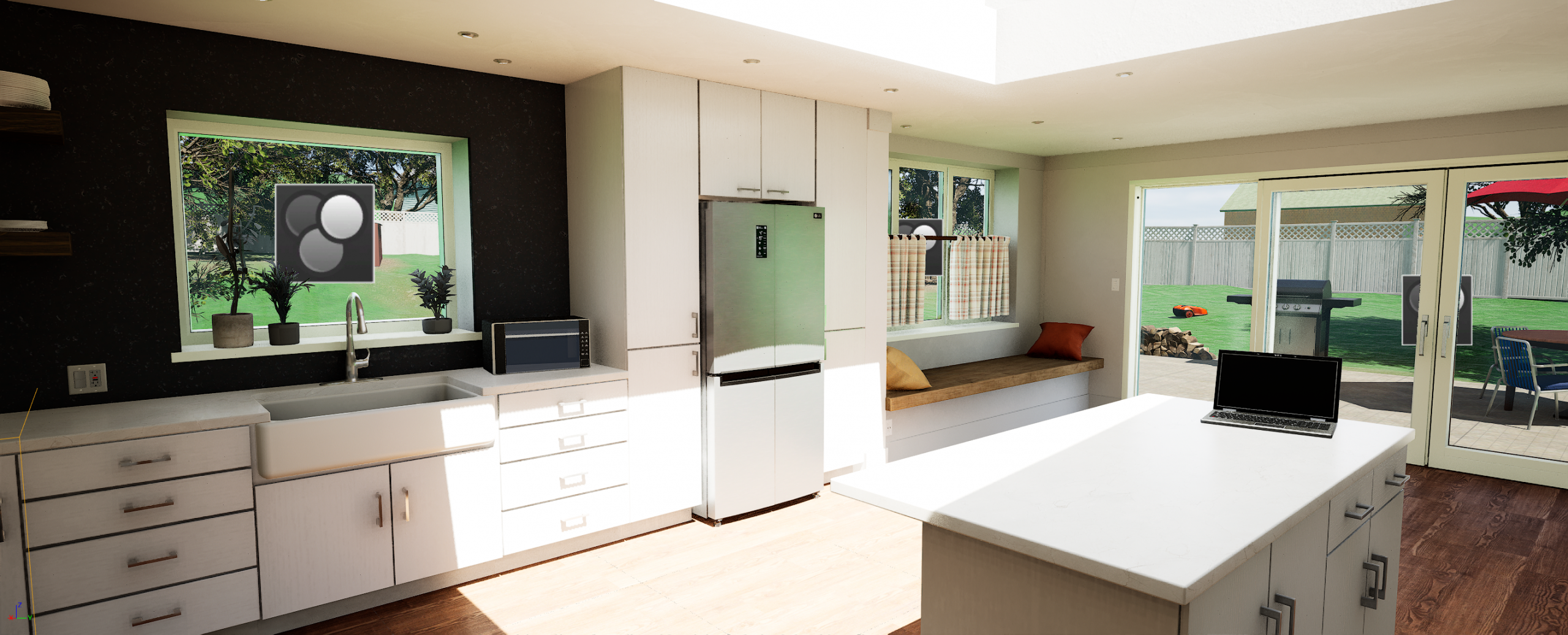
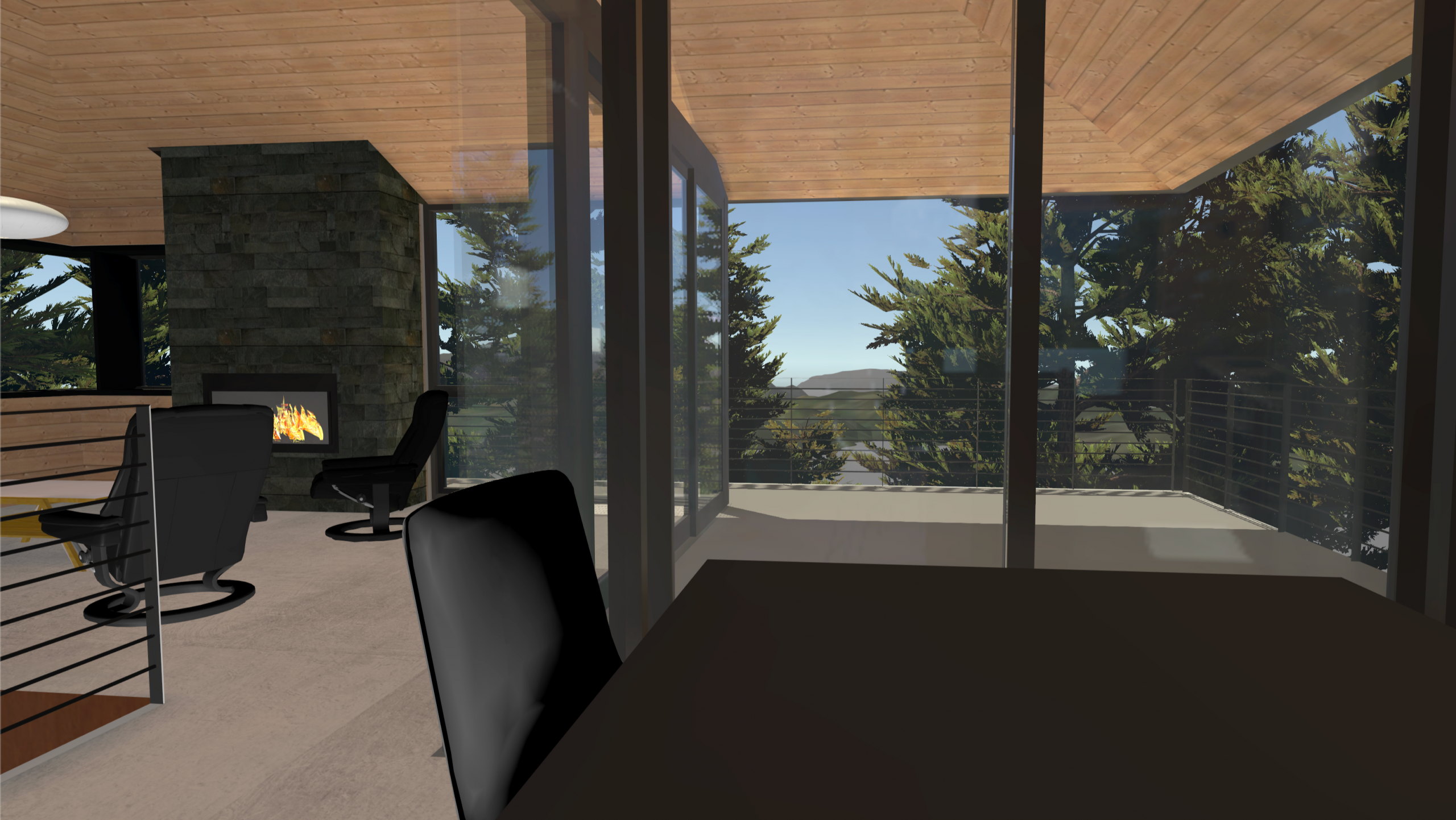
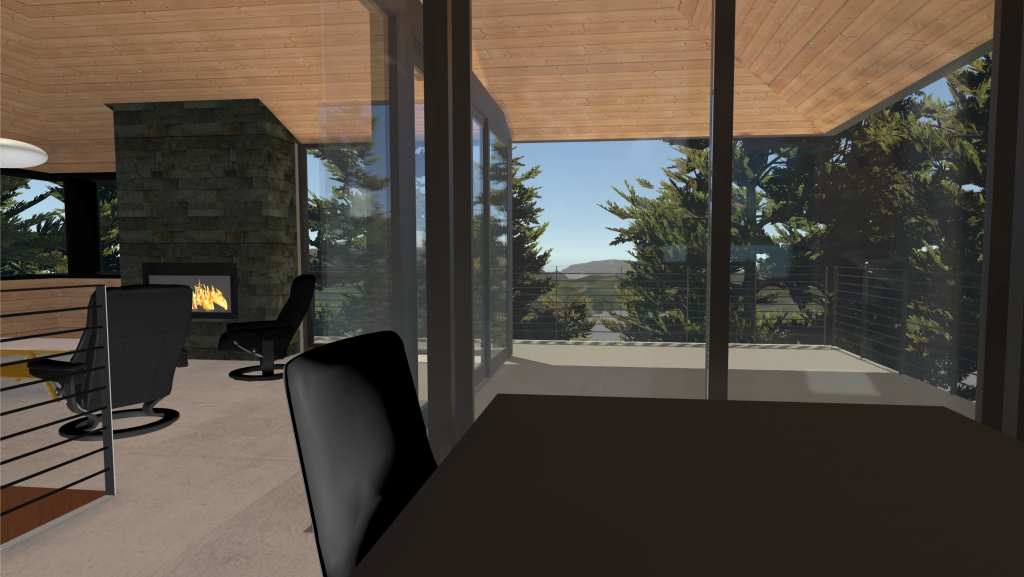
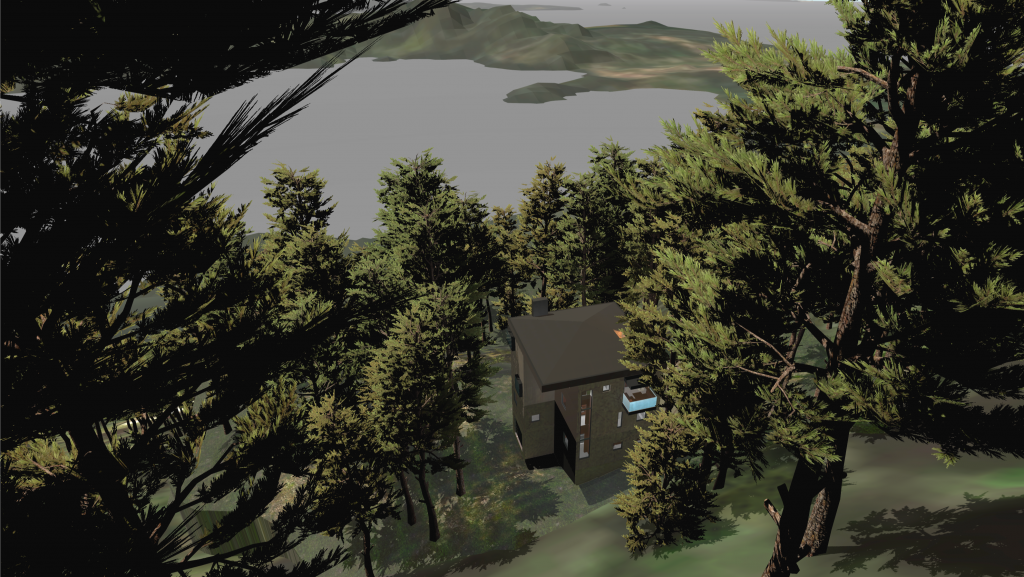
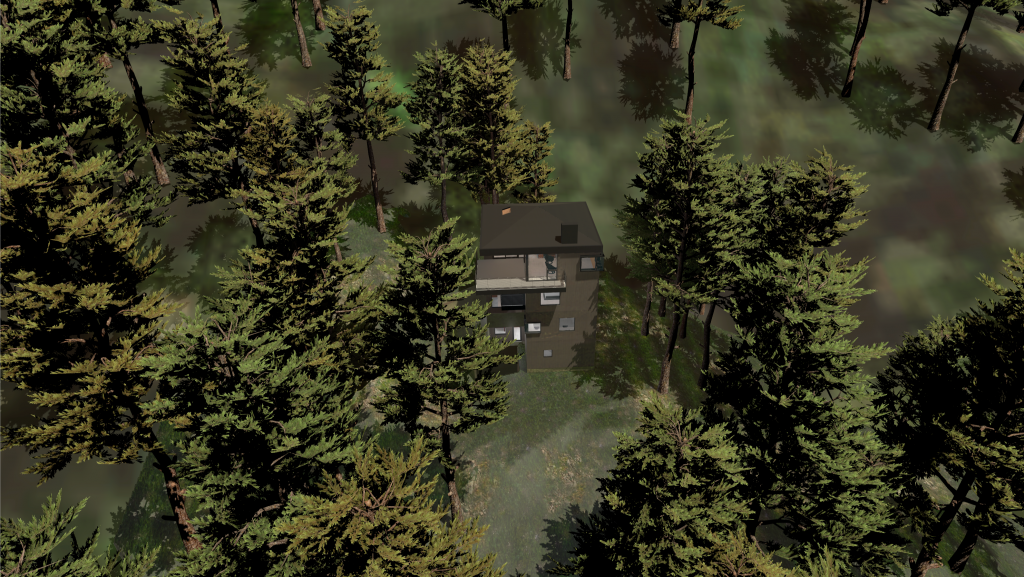
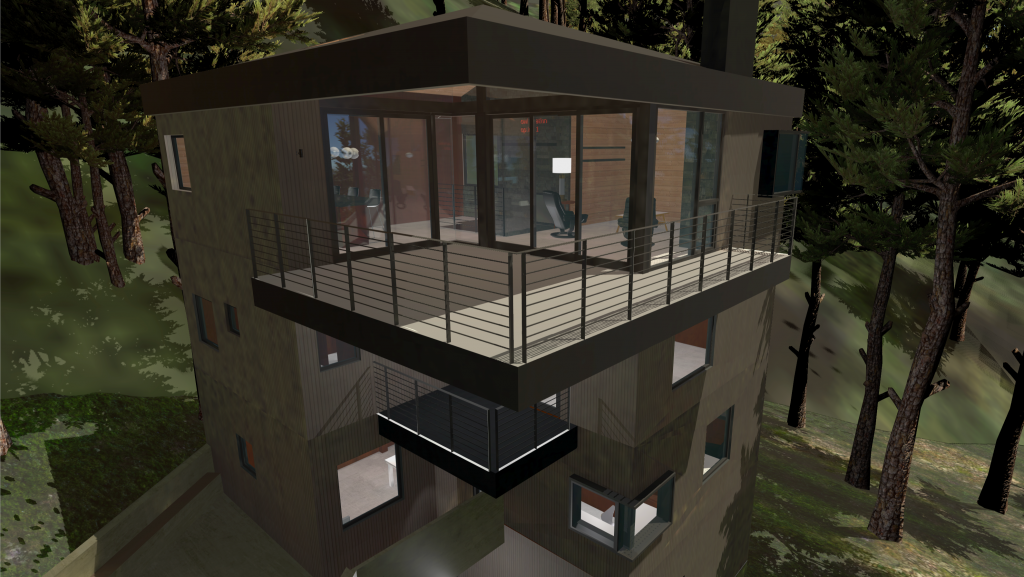
    Off the coast of Washington state on the island of Orcas, just a few miles from the Canadian border, the Orcas House by architect Susanna Douglas has commanding views above the trees that optimize the light on the North face of the island.

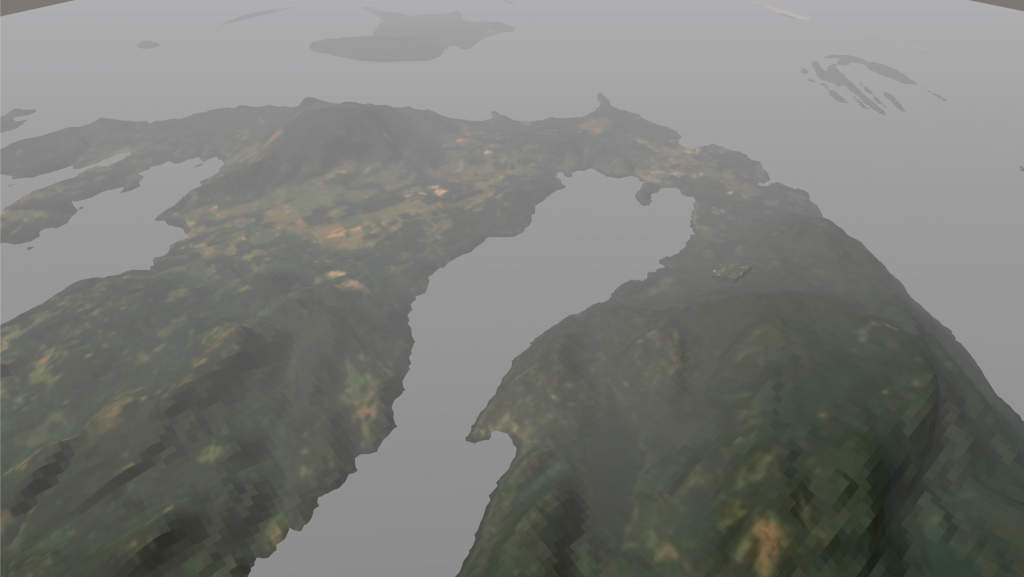
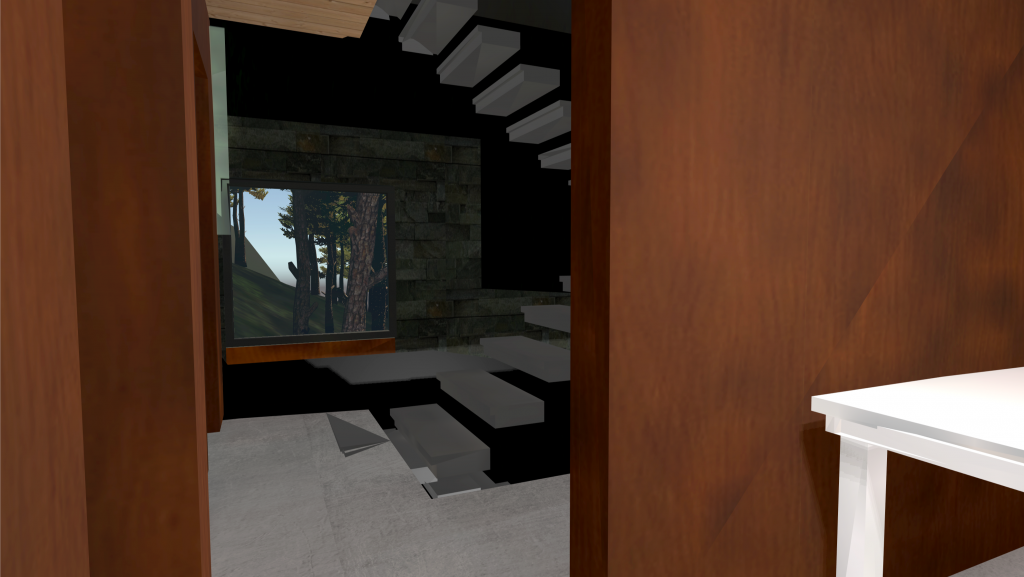
    To get a sense of the views from the house before the house was built, we built a VR walkthrough of the home and surrounding property.

    The location was based on USGS elevations, and the trees were placed based on a tree map of the property. The home could be viewed from multiple vantage points inside and out, to get a sense of light and space.

    All surfaces and finishes were based on BIM specified options, and the sun can be set to any time or day of the year.

  • How Might VP Be Relevant 
To YOUR Production?

    How Might VP Be Relevant To YOUR Production?

    On YOUR Production, VIRTUAL Production might simply consist of camera tracking and capturing camera data for post VFX. Or a single LED panel outside a window so the actors can open the curtains on a stage window. Or maybe it’s a massive virtual set on a massive LED capture volume.

    I can help you find the places where VP might make sense for your production, plus create and execute a production plan that will have all of your colleagues asking how you possibly captured that image on that budget.

    Does your script breakdown include any of the following?

    • Scenes Inside a Moving Vehicle
    • Dialogue Close-Ups at Expensive Locations
    • Set Extensions
    • Views Outside Windows
    • Virtual Creatures or other Composited Elements
    • Locations that don’t exist in the physical world
    • Your Talent standing in front of a massive LED wall while graphics play behind and around them
    • Full CG animation

    Do you have expensive locations that may need pick-ups?

    • Plan ahead to re-create filmed sets and locations for virtual pickups that intercut seamlessly with production footage.

    4 flavors of VP

    To suit the needs of any given production or sequence there are four main flavors of VP.

    1. Soundstage – Location – Full CG

    Add camera tracking to your camera package to preview creatures and set extensions in-monitor during filming on any location or stage.

    For fully CG content film on a soundstage with practical camera equipment and crew. Scale your CG world, animate the characters anyway you want, but film them with a human crew using practical cameras.

    Capture camera and set data for use in post VFX.

    2. Green Screen

    Film on the same chroma stage you always do, but add camera tracking!

    Preview lineups for virtual sets and characters in-monitor with Real Time Compositing on a Chroma stage.

    Capture camera and set data for use in post VFX.

    Film in-camera VFX to final pixel with real time compositing when lighting and reflections aren’t crucial.

    3. Reflections and Lighting on LED Volume

    Do you need to capture reflective elements on your talent, but don’t want to commit to capturing final pixel in camera? Capture on an LED stage with rough CG elements! Get lighting and reflections on your actors, then comp in a traditional post workflow.

    Capture camera and set data for use in post VFX.

    4. Final Pixel In-Camera VFX on LED Volume

    Jump into the void and capture final pixel in-camera VFX on an LED tracking volume. This is a commitment.

    This process must start during your script breakdown to have any chance of being successful.

    To capture final pixel in-camera VFX a production must allow – in pre-production – as much time to create the assets needed for filming as they would traditionally schedule for the assets to be created in post, plus time for them to be tested on the volume with the production cameras.

    LED Stage Environment Types

    The images on an LED stage should be the ones best suited to the sequence you’re filming. There is no one best option. From stills and video to 3D representations of real and imagined environments, choose the right tool for your goals.

    2D Still

    The most cost effective option to create in-camera visual effects, 2D still images are a good option for stills photography, especially tabletop images of smaller objects.

    2D Stills are not a good option if they will be prominent in frame or if parallax is needed in the background.

    360 Video

    360º video is a great tool to create seamless driving dialogue sequences. Free the camera from the hood mount to follow the story inside, outside, and around the vehicles as the characters drive.

    2D video, including 360º video is not able to create parallax and might best be thought of as the evolution of rear-projection processes.

    3D Environment

    Unleash the full power of an LED tracking volume with a fully immersive 3D environment presented in Unreal Engine. Adjust virtual props and lighting in the environment during production.

    3D Environments are the most expensive option. Price varies widely from kit-bashed to bespoke.

    Photorealistic full 3D real time environments can take vast amounts of time and resources, while simpler styles can have quite nimble timelines and budgets.

    VP Workflows

    VP workflows shuffle work that would traditionally happen in POST up to PRE. Consider your virtual environments the same way you consider physical locations and sets. In some workflows final VFX assets must be completed before principal filming can begin.

    If your production plans to capture final pixels in camera, be sure to start your VP plan even before the breakdown of your project. Let’s chat!

    LED
    Final Pixel

    LED
    Reflections

    Green
    or Full CG

    Traditional
    Post VFX

    Practical
    NO VFX

    STORYBOARD – Explore visual language for project in an fast, iterative process using 2D images

    PREVIZ – Determine motion and editorial language of project with basic 3D models and animation

    STAGEVIZ – Plan the connections of virtual environments and practical sets

    TECHVIZ – Create a plan to ensure the previz camera moves can be filmed within the restrictions of your production equipment and stage

    FINAL ASSETS – The screen-ready assets needed to create the final-pixel VFX.

    VP TESTS – Testing the Virtual and Practical set elements to be sure that they are performant and workable on stage.

    VFX INTEGRATION – Traditional post integration of VFX with filmed elements, including compositing, rendering, camera tracking, rotoscope.
  • A Small Case of Ennui

    A Small Case of Ennui

    Currently in DEVELOPMENT

    A Small Case of Ennui is a short comedy film that you can walk into.
    Watch it on a screen as a traditional 2D film, or YOU become the camera as a spectator to the performance in augmented reality.

  • Archviz

    Pre-rendered movies and stills for contractors and architects create ultra realistic representations of new construction and renovations – allowing you to experiment with physical spaces before they’re built.